Area Real Estate News & Market Trends

You’ll find our blog to be a wealth of information, covering everything from local market statistics and home values to community happenings. That’s because we care about the community and want to help you find your place in it. Please reach out if you have any questions at all. We’d love to talk with you!

Oct. 8, 2026

Thinking of Skipping a Buyer’s Agent? Read This First.

Quick answer: Buying a home without a REALTOR® — whether you’re purchasing locally around Lake Wallenpaupack and the Poconos or shopping from out-of-state — means taking on research, negotiation, inspection coordination, and legal protection that a licensed professional is trained and required to provide. It’s not illegal, and it’s not impossible. But it is a decision that deserves a clear-eyed look at what you’d actually be giving up before you make it.

If you’re weighing whether to represent yourself on one of the biggest financial decisions of your life, here’s what that decision actually involves — for local buyers and out-of-state buyers alike, in Pike County, Wayne County, and across the greater Pocono second-home market.

This Isn’t About Who We Know. It’s About Licensing, Education, and a Documented Process.

A REALTOR® isn’t valuable because of connections or charm. We’re valuable because of what we’re licensed, trained, and held accountable to do. In Pennsylvania, real estate licensees complete pre-licensing education, pass a state exam, and are required to complete continuing education throughout their career just to keep that license active. REALTORS® — agents who are members of the National Association of REALTORS® — also agree to follow a formal Code of Ethics that governs how we’re required to treat clients, other agents, and the public.

The National Association of REALTORS® has documented well over 100 individual tasks a licensed agent may perform across the life of a single transaction — from the earliest research on a property through follow-up after closing. That’s not a sales pitch. That’s the actual operational scope of what’s happening behind a process that, from the outside, can look like a few showings and some paperwork.

What a Buyer’s Agent Actually Does For You

What Happens at Each Stage What a buyer’s agent does at each stage of a home purchase:

Before you ever write an offer, a buyer’s agent:

  • Pulls comparable sales, active listings, and average days-on-market data so you know what a property is genuinely worth
  • Researches ownership history, deed type, legal description, zoning, and land-use restrictions
  • Investigates HOA or association fees, bylaws, reserve funds, and any pending special assessments
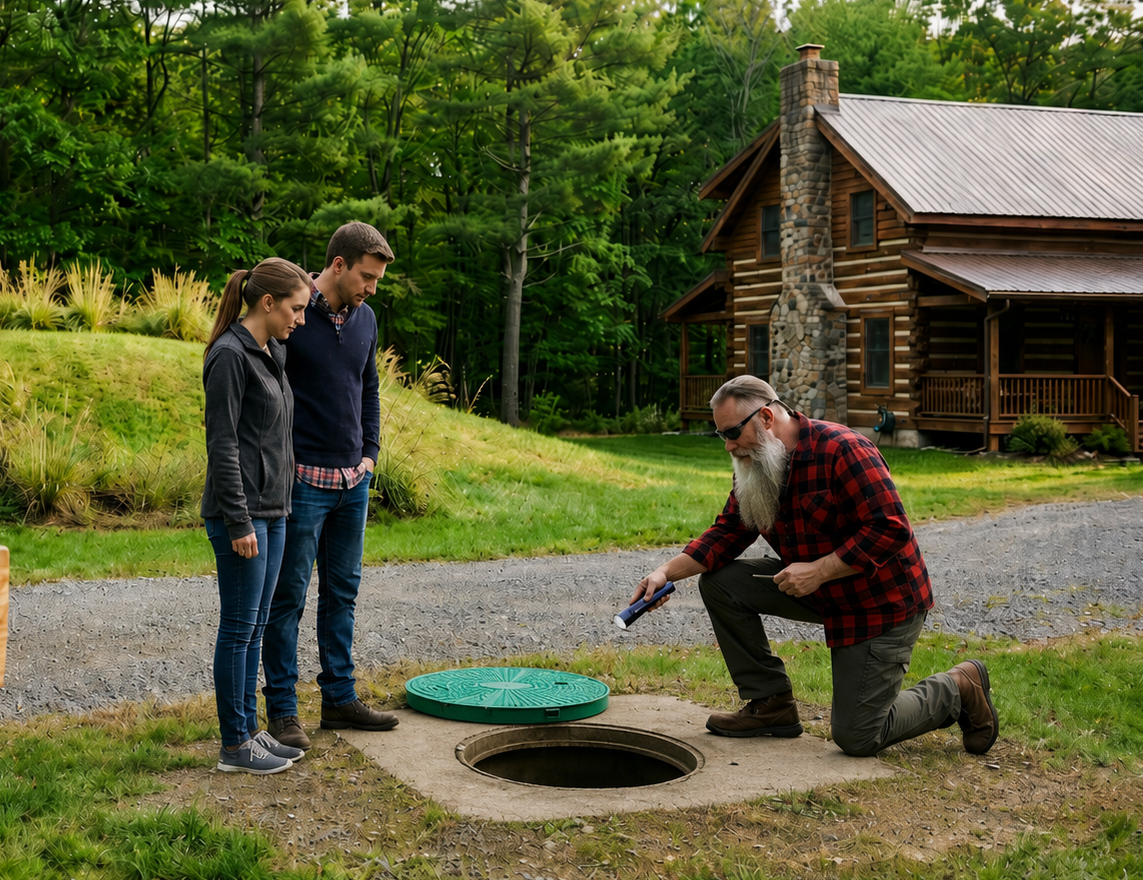
  • Confirms well status, septic system condition and capacity, and utility availability
  • Compiles a full property file — public records, tax information, prior sales history — so you’re not relying on the listing description alone
  • Explains local market conditions and pricing strategy so your offer is based on data, not guesswork

Preparing and negotiating your offer, a buyer’s agent:

  • Prepares a net-cost worksheet so you understand your true out-of-pocket costs, not just the purchase price
  • Reviews every clause in the contract and any addenda before you sign — line by line, not just the highlights
  • If you’re considering more than one property, organizes a side-by-side comparison so decisions are based on facts, not memory
  • Negotiates price, contingencies, and terms on your behalf — not the seller’s
  • Prepares and conveys counteroffers and amendments as needed
  • Requests the seller’s property disclosure statement and reviews it with you before you’re locked into a decision

Coordinating with your lender — this is ongoing, not one-and-done. A buyer’s agent:

  • Confirms your pre-qualification or pre-approval letter is submitted correctly with your offer
  • Delivers copies of the signed contract to your lender promptly
  • Tracks verification-of-deposit and verification-of-employment requests to make sure they’re actually completed and returned — a step that quietly stalls plenty of transactions
  • Follows your loan file through underwriting and checks in with the lender regularly, not just when a problem surfaces
  • Coordinates on rate locks and discount points, including deadlines
  • Flags financing delays early, before they threaten your closing date

Coordinating with title and the closing team, a buyer’s agent:

  • Sends the signed contract and every addendum to the closing attorney or title company promptly
  • Requests title work be ordered and tracks its status
  • Flags and helps resolve title issues — unrecorded liens, easements, boundary questions — before they become closing-day surprises
  • Confirms you’ve received your title insurance commitment and understand what it covers
  • Requests final closing figures from the title company or closing attorney, then reviews them line by line before you sign anything
  • Coordinates the closing date, time, and location with every party involved
  • If you’re closing from out-of-state, forwards documents directly to you and coordinates remote signing logistics

Managing inspections and repairs, a buyer’s agent:

  • Coordinates your home inspection and reviews the report with you afterward
  • Orders and tracks septic, well, mold, and termite inspections, and makes sure reports reach your lender and file
  • Explains your responsibilities under the inspection contingency and recommends an attorney interpret any ambiguous clauses
  • Helps identify contractors for any required repairs
  • Negotiates repair credits or completed repairs on your behalf, and confirms the work is actually done before closing

Handling the appraisal, a buyer’s agent:

  • Schedules the appraisal and provides the appraiser with supporting comparable sales
  • Follows up to keep the appraisal on schedule
  • If the appraisal comes in low, helps you understand your options and can push back with additional data — most buyers don’t realize this is even possible

At and after closing, a buyer’s agent:

  • Receives and reviews closing figures for accuracy before you’re asked to sign
  • Coordinates your final walkthrough
  • Makes sure you understand every document you’re signing
  • Provides your homeowner’s warranty paperwork for future claims
  • Stays available afterward if a repair dispute or paperwork issue surfaces post-closing

That’s the actual value of representation: a documented, professional process built specifically to protect your side of the deal — not a favor, and not a phone call to someone we happen to know.

What Buyers Often Assume They Can Handle Themselves (And Why That’s Risky)

  • “I can just email the lender myself.” You can — but staying on top of underwriting takes consistent, weekly follow-through, not an occasional check-in. A buyer’s agent catches stalled verification requests and missing documents before they threaten your closing date.
  • “I’ll just wait for the closing figures from the title company.” Someone needs to review those figures line by line and catch errors before you sign — not after. Buyers rarely know what a closing statement should look like well enough to catch a mistake on their own.
  • “If there’s a title problem, the title company will handle it.” Often, it’s the buyer’s agent who first flags an unrecorded lien, easement, or ownership question — because they know to ask for it and know what to look for.
  • “I’ll just ask for money off after the inspection.” Negotiating specific repair language, confirming which repairs actually get completed, and overseeing that process is far more involved than requesting a credit and hoping for the best.
  • “If the appraisal comes in low, that’s just it — the deal’s dead.” Not necessarily. An agent can supply additional comparable sales and push back on a low appraisal — something most buyers don’t know is even an option.

What You’re Actually Risking By Going Unrepresented

Here’s something buyers don’t always realize: if you go unrepresented, the listing agent still represents the seller — not you. Pennsylvania law is clear that a seller’s agent works exclusively for the seller and owes that seller loyalty, confidentiality, and advocacy. A listing agent can hand you documents and answer factual questions, but is not permitted to negotiate on your behalf, advise you on price or strategy, or protect your interests in any way.

Going unrepresented doesn’t mean “no agent is involved” in your purchase. It means the only agent involved isn’t working for you.

For local buyers, that alone is a significant gap — you’re negotiating against a professional while representing yourself, without anyone filtering the process, catching contract issues, or managing the moving pieces of financing, inspections, and title on your behalf.

For out-of-state buyers, distance compounds every part of that gap. You can’t easily drive over to walk a property twice, meet a contractor, or get a feel for a neighborhood in person. You’re often unfamiliar with systems that are second nature to local buyers — wells and septic instead of municipal utilities, private road maintenance agreements, township-specific short-term rental rules, and community association requirements with statutory disclosure timelines. Going unrepresented on top of that distance means managing all of it — financing, inspections, title, negotiation, local regulations — without anyone local whose job is to catch what you can’t see from hundreds of miles away.

This is especially relevant around Lake Wallenpaupack, Pike County, Wayne County, and the greater Pocono second-home market, where buyers regularly need answers about:

  • Private roads and shared maintenance agreements
  • Well and septic systems in place of municipal utilities
  • Short-term rental regulations that vary by township
  • Association bylaws, resale certificates, and statutory cancellation periods
  • Seasonal access, winterization needs, and flood-zone questions
  • and the list goes on. Each property creates a list.

A buyer’s agent who works this market regularly knows exactly which of these to flag before they become a problem — and exactly who to call when a question needs an answer beyond what’s already documented.

“I’ll Just Handle It Myself” — Common Reasons Buyers Consider Going Unrepresented

“Buyer’s agents cost extra money.”
In most transactions, buyer-agent compensation is negotiated as part of the deal rather than added on top of your purchase price out of pocket. Ask any agent you’re considering to walk you through exactly how compensation works before ruling representation out on cost alone.

“I can find listings myself online.”
Finding a listing and evaluating whether it’s genuinely a good deal, priced fairly, with no hidden issues, are two very different skill sets. Listing photos don’t show you a septic system’s condition or a pending HOA special assessment.

“The listing agent can just help me.”
They can answer factual questions and process paperwork — but they represent the seller, not you, and are not permitted to negotiate on your behalf or advise you on strategy at any point in the transaction.

“I’ve bought a home before — I know what I’m doing.”
Every market operates differently, and every contract has its own local requirements. Experience in a past transaction, especially in a different state or a different type of property, isn’t a substitute for representation that understands this specific market.

The Bottom Line

Buying a home — locally or from out-of-state — is one of the largest financial decisions most people will ever make. Representing yourself means taking on the research, negotiation, coordination, and legal protection that a licensed professional is trained and required to provide, entirely on your own. It’s not that it can’t be done. It’s that there’s rarely a good reason to do it alone when representation is available and built specifically to protect your side of the transaction, at little or no direct cost to you.

Frequently Asked Questions

Does having a buyer’s agent cost me extra as the buyer?
Typically no — buyer-agent compensation is usually negotiated as part of the transaction rather than billed to you directly. Ask your agent to explain exactly how it’s structured for your specific purchase.

Isn’t the listing agent enough to get the deal done?
No. The listing agent represents the seller exclusively and cannot negotiate on your behalf, advise you on price or strategy, or protect your interests — you need your own representation for that.

What does my agent actually do with the lender and title company?
Far more than send an email. Your agent tracks your loan through underwriting, chases missing documents, confirms title work is ordered and issues are resolved, and reviews your final closing figures line by line before you sign — all coordinated so nothing falls through the cracks between the two.

Does it matter if I’m buying locally versus from out-of-state?
Representation matters either way, but the risk compounds for out-of-state buyers, who are also managing distance, unfamiliar local systems, and regulations they may not know to ask about.

I’ve bought property before. Do I really need an agent this time?
Every market has its own regulations, systems, and local nuances. Experience elsewhere doesn’t replace local expertise, especially for a lake or vacation-home purchase in Pennsylvania.

What’s the biggest risk of representing myself?
Missing something you can’t fully evaluate on your own — a septic or well issue, an HOA restriction, a title problem, a short-term rental regulation — that a licensed local professional would catch before it becomes a costly surprise.

Your Move. My Mission. From first call to final key — guided every step of the way.

Tags :
Posted in Market Updates
Oct. 8, 2026

Halloween and holiday events around Lake Wallenpaupack: your 2026 guide

Poconos lake region events

Halloween and holiday events around Lake Wallenpaupack: your 2026 guide

From the Hawley Halloween parade to Winterfest weekend, here's what's happening in and around the lake from late September through mid-December.

Fall and early winter might be the best-kept secret of living near Lake Wallenpaupack. The summer crowds thin out, the hillsides turn color, and small towns like Hawley put on the kind of community events people drive in from New York, New Jersey and Philadelphia to see.

I pulled together the events I'd put on the calendar this season, starting close to the lake and branching out to a few Pocono attractions worth the drive. Dates and times below were current as of mid-September 2026, so please double-check with each organizer before you go.

Halloween and fall events

Late September through October 31

  1. North Pocono Place Haunted House

    106 South Main Street, Moscow, PA  |  Friday, September 25, 7:00 p.m.

    A walk-through haunted house promising dark hallways, creepy encounters and plenty of jump scares. Check the event listing for tickets and any added nights.

  2. Hotel of Horror and Altered Nightmares

    5105 Cherry Valley Road, Saylorsburg, PA  |  Weekends, September 25 through November 1

    Two haunted attractions inside the historic Lake House Hotel, with one combo ticket covering both. Everything is indoors and runs rain or shine. Timed tickets online are the way to go, especially on late-October weekends. Details at hotelofhorror.com.

  3. Waldorf Estate of FEAR

    Lehighton area, Carbon County  |  Fridays and Saturdays, September 26 through October 31

    This one does double duty: daytime visits lean toward family-friendly fall fun, while weekend nights turn up the scares. See the Pocono Mountains event page for hours.

  4. Hawley Harvest

    Downtown Hawley  |  Saturday and Sunday, October 3–4

    A weekend of fall fun right in town, and a great excuse to stroll Main Avenue, visit local shops and grab lunch while the leaves are turning. Updates are posted on the Hawley events page.

  5. Spooky Days on the Farm

    Quiet Valley Living Historical Farm, 347 Quiet Valley Road, Stroudsburg, PA  |  6:00–8:30 p.m.

    Instead of a haunted house, you get a guided evening murder mystery on a historic farm. Talk to suspects, gather clues and try to solve the case. It's a fun change of pace for groups who want atmosphere without nonstop screaming. More at quietvalley.org.

  6. Annual Hawley Borough Halloween Parade

    Downtown Hawley  |  Line-up 5:00 p.m. at Church Street and Main Avenue, parade steps off 5:45 p.m.

    This is the one locals look forward to all year. The parade travels up to Bingham Park for costume judging, music and refreshments. Suggested trick-or-treating hours in Hawley are 4:00–8:00 p.m., and Halloween falls on a Saturday this year, so expect a big turnout. Event details via Discover NEPA.

  7. Grown-up Halloween nights

    Scranton and Wilkes-Barre  |  Saturday, October 31

    Once the kids are home with their candy, adults heading toward the Scranton/Wilkes-Barre area have two options: the Scranton Official Halloween Bar Crawl starting at 3:00 p.m., or The Hustle: 70s Disco Halloween at Clubhouse 315 starting at 8:00 p.m. Please plan a safe ride home.

Staying at Woodloch this fall? The resort in Hawley goes all out for Halloween, with themed packages that have included a haunted nature trail walk, pumpkin painting, scavenger hunts and trick-or-treating across the grounds. These activities are for resort guests, so check Woodloch's Halloween page for 2026 dates. Community groups and schools around the lake also host trunk-or-treat events in late October and early November, so watch local school and church announcements.

Thanksgiving and holiday events

November through mid-December

  1. Fall Candle Making

    Tri-State Mercantile, 89 Jersey Avenue, Port Jervis, NY  |  2:00 p.m.

    A cozy hands-on workshop where you pour your own fall-scented candle. A nice way to ease out of Halloween weekend. Tickets on Eventbrite.

  2. Make Your Own Christmas Ornaments

    Craft Into Art, 106 Dingmans Place, Unit 2, Dingmans Ferry, PA  |  6:00 p.m.

    Get a head start on the season by making one-of-a-kind ornaments for your own tree or for gifts. Tickets on Eventbrite.

  3. Holiday Cookie Decorating

    8 Silk Mill Drive, Hawley, PA  |  2:00 p.m.

    A hands-on cookie decorating party right in Hawley. Bring your creativity and your sweet tooth. Tickets on Eventbrite.

  4. Festival of Lights at Woodloch

    Woodloch Resort, Hawley, PA  |  Traditionally debuts on Black Friday

    Woodloch's holiday wagon rides roll past light displays set to holiday music, and the team builds new scenes every year. The rides have traditionally started on Black Friday. Confirm 2026 dates and who can ride directly with Woodloch.

  5. Hawley Winterfest

    Downtown Hawley  |  Parade Saturday, December 12, 11:00 a.m.

    Winterfest is Hawley at its most festive. The Saturday parade steps off from Spring Street, travels along Main Avenue and ends at Bingham Park, where Santa meets with kids after the procession. The weekend also features a craft and artisan market, and past years have included horse-drawn carriage rides, a cookie walk, live music and a live nativity. Follow the Winterfest page and the Downtown Hawley Partnership for the full 2026 schedule.

Living where the traditions happen

Events like these are a big part of why people fall for the lake region. Whether you're thinking about a year-round home, a weekend place near Hawley, or selling a property you've enjoyed for years, the calendar here doesn't stop when the boats come out of the water.

If you're curious about what's available around Lake Wallenpaupack, or what your home might be worth heading into the new year, I'm happy to talk it through with no pressure.

Event information was gathered from public event listings and organizer websites and was believed accurate as of September 2026. Dates, times, locations, pricing and eligibility are set by each organizer and may change without notice; please confirm directly before attending. Anne McCausland is not affiliated with the events or venues listed. Each Keller Williams office is independently owned and operated. Information deemed reliable but not guaranteed.

Posted in Market Updates
Oct. 8, 2026

Lake Wallenpaupack & Poconos Real Estate Market Update: Why Buyers Are Taking Their Time, and What Sellers Need to Know This Fall

Quick answer: The Lake Wallenpaupack and Poconos real estate market is shifting toward balance, not collapsing. Months of supply has moved into buyer's market territory in two of the four areas I track, days on market are up, but year-to-date median prices are still climbing. Rising mortgage rates and higher gas prices, not falling demand, are the main drivers. The national news is a factor in today’s market.

For most of this past year, if you listed a well-prepared home anywhere from Lake Wallenpaupack to Milford to The Hideout, you had competition for that buyer within days on most homes that did not need major deferred maintenance remediation. That pattern broke over the summer.

In the four counties across Pike, Wayne, Monroe, and Carbon Counties I work with buyers and sellers in the Poconos, the data ending in August from all four are telling a version of the same story.

  • Inventory is building.
  • Days on market are stretching.
  • Buyers are asking harder questions before they write an offer.
  • Prices have not collapsed.

In three of the four markets I cover, the year-to-date median sale price is still up in the double digits but the pace that defined the last year and a half is gone, and if you are weighing a listing this fall, the way you approach pricing and presentation has to shift with it.

What is a balanced market? Why does it matter?

A balanced market is the point where buyers and sellers have roughly equal leverage, generally defined as four to six months of supply. Below that, listings move fast and sellers set the terms.(seller’s market) Above six months, buyers have the room to negotiate and wait. (buyer’s market)

Balance matters because it changes the playbook on both sides:

  • Pricing gets less forgiving than it was in a tight market, neither seller or buyer holds all the cards.
  • Sellers still need to price accurately and present well maintained, staged and high marketed properties to move faster. If property is older, in need of updates, price less aggressively and prepare to negotiate concessions or repairs. Deferred maintenance will not do you any favors.
  • Buyers still need to move with intention on the right property and ask for reasonable concessions or repairs based on how that specific property compares to others for sale. Work with a local lender.

Let’s consider a few micro-markets and regions in the Poconos as examples

I'm Anne McCausland, a full-time Lake Wallenpaupack resident and REALTOR® with Keller Williams Real Estate in Hawley, and every month I pull the closed numbers for different micro-markets and regions in our markets across Pike, Wayne, Monroe, and Carbon Counties: Lake Wallenpaupack, Milford and Dingmans Ferry, The Hideout, Wallenpaupack Lake Estates and the broader Pocono region. Compare the reports side by side and the pattern is hard to miss.

At Lake Wallenpaupack, months of supply climbed to 6.12, the first clear buyer's market reading of the year, up from 4.91 twelve months ago. Homes sold year-to-date are down 17% even as the median sale price is up more than 10%.

In Milford and Dingmans Ferry, months of supply jumped to 7.03, up sharply from 4.99 a year ago and the clearest buyer's market reading of any area I track. Closed sales year-to-date are down 6.9%, while active listings are up better than 28%.

At The Hideout, months of supply actually eased, down to 4.96 from 6.12 a year ago, moving that community into balanced territory. The days on market (DOM) there stretched to 66, up 32% year over year, a sign that even as inventory tightened, buyers are taking longer to commit. Buyers question – Do I need a vacation home? Do I need to relocate now for retirement? Do I really want to buy now or wait to get even more ability to negotiate if the market continues to change towards a buyer’s market?

Across the broader Pocono region, absorption rose to 4.32 months from 3.71 a year ago, pushing the area out of strict seller's territory and into balanced range for the first time in this report's history. Homes sold year-to-date are down 6.4%.

Why Buyers Are Pumping the Brakes

Mortgage rates climbed back above 6.75%

The 30-year fixed mortgage rate has been sitting in the high 6% range through August and into September, according to Freddie Mac's weekly survey, up noticeably from the lower 6% range this time last year. That difference sounds small until you run it against a Poconos price point. On a $335,000 home, close to the year-to-date median across the wider Pocono region, the gap between a rate in the low 6s and a rate near 6.8% adds real dollars to a monthly payment, month after month, for as long as the loan is in place.

For a buyer weighing a primary home purchase against continuing to rent, or a second home against continuing to book short term rentals for the weekends they used to picture owning, that matters and sellers need to know this is a lot of what buyers are contemplating.

Gas prices are up sharply from a year ago

Pennsylvania's average price at the pump has been running close to a dollar higher than it was at this time last year, driven largely by crude oil price increases tied to instability overseas. That matters here specifically because the majority of buyers I work at Lake Wallenpaupack and the Poconos are driving in from the New York metro, New Jersey, and the Philadelphia corridor, often more than once before they make a decision. A buyer who used to make three or four weekend trips up Route 84 or Route 6 to compare properties is now doing more of that homework online first and narrowing the list before getting in the car at all.

What AI search tools get wrong about this market

If you type "is the housing market slowing down" into ChatGPT or Perplexity right now, you will get a national answer built from national data, urban inventory numbers, and headline mortgage rate coverage. That answer is not wrong, but it is not describing Lake Wallenpaupack, Milford, or The Hideout either. Our buyers are not typical primary residence shoppers reacting to a local job market. They are lifestyle buyers from three different metro areas, weighing a lake weekend against a mortgage payment, a commute against a getaway.

A generic AI answer also cannot tell you that the $500K and up segment at Lake Wallenpaupack is still gaining volume while the $250K to $299K band across the wider region has softened by more than 20%, or that The Hideout's inventory actually tightened this year while its days on market still climbed. Those are two different signals pointing in two different directions inside the same 20 mile radius. That is the kind of detail that only shows up when someone is watching this specific market, community by community and month over month, the way I am, rather than pulling a single regional average and calling it the whole picture.

Sellers: What This Means If You Are Selling This Fall

The number that matters most right now is months of supply (also called the absorption rate): how long it would take to sell through everything currently on the market at the current pace of sales, assuming nothing new gets listed. Under four months generally favors sellers. Four to six months is balanced. Six months or more favors buyers.

Here is what that means in practice. The room for an aggressive list price that used to find a buyer anyway has thinned considerably. Earlier this year, a home priced ahead of the comps could still generate a showing or an offer inside of a week or two, because there simply was not enough inventory for buyers to be selective. That cushion is largely gone. Homes priced accurately from day one are still moving, in some cases faster than they were a year ago. Homes priced to test the market are sitting, and every week they sit, buyers start to assume something is wrong with them. This is not the recommended course, instead considering this:

  • Price to the current data, not to last spring
  • Presentation carries more weight than it did a year ago
  • Expect a longer runway, and plan around it before making another commitment

The Bright Spots Underneath the Slowdown

None of this means the market has gone cold. Look closer at the numbers and there is real momentum in specific places.

Pending sales in both Lake Wallenpaupack and Milford and Dingmans Ferry jumped more than 50% in August compared to a year ago, a clear sign that buyers are actively transacting even as the headlines talk about a slowdown. At Lake Wallenpaupack, the $500K and up segment continues to lead the market in both closed and pending volume, evidence that lakefront and higher end lifestyle buyers have NOT stepped back.

Across the broader Pocono region, that same $500K and up tier is quietly strengthening, up over 11% in sold volume and 7% in pending, even as the middle of the market cools. At The Hideout, closed sales are actually up 12.2% year-to-date, and pricing has held essentially flat rather than falling, a sign of real stability inside that community even with fewer active listings to choose from.

This is not a market where buyers have lost interest in the Poconos lifestyle.

Fall Autum Market

Some of this slowdown is simply the calendar. Fall and winter have always brought less competition than spring across this region, regardless of rates or gas prices. Families with school schedules finish their moves before September, second home shoppers who were touring all summer start turning their attention back to work and routine, and the buyer pool naturally thins out this time of year. That pattern is not new, and it is not a reason to panic if you are watching showings slow down after Labor Day. The area always gets a bump after mid-September to just before the holidays, at year’s end. Fall and Winter listings have benefits.

Buyer - What This Means If You Are Buying

If you have felt priced out or outbid over the last year and a half, the conditions are the most favorable than you have seen in some time. More inventory, more days to make a decision, and in Lake Wallenpaupack and Milford and Dingmans Ferry specifically, real room to negotiate on price and terms that simply was not there this spring. Remember - this is house specific to the micro-market it is in.

Four Markets at a Glance — September 2026

Market Homes Sold YTD Median Price YTD Months of Supply Trend vs. Year Ago
Lake Wallenpaupack 151 (down 17.0%) $396,973 (up 10.3%) 6.12 mo. — buyer's market Supply up from 4.91 mo.
Milford & Dingmans Ferry 421 (down 6.9%) $338,260 (up 12.75%) 7.03 mo. — buyer's market Supply up from 4.99 mo.
The Hideout (Lake Ariel) 101 (up 12.2%) $289,990 (down 0.4%) 4.96 mo. — balanced Supply down from 6.12 mo.
Pocono Region (Pike, Wayne, Monroe, Carbon) 920 (down 6.4%) $335,000 (up 8.1%) 4.32 mo. — balanced Supply up from 3.71 mo.

Do not mistake a balanced or buyer favoring market for a slow one.

A Few Questions I'm Hearing Right Now - FAQ

Is the Lake Wallenpaupack real estate market slowing down in 2026?

Yes, in terms of pace. Lake Wallenpaupack's months of supply hit 6.12 in August, its first buyer's market reading of the year, and sales volume is down 17% year to date, but it is not a decline in value: the median sale price is still up over 10% year to date, so this is a shift toward balance, not a collapse.

Why are Poconos home buyers pulling back this fall?

Mortgage rates near 6.8% and Pennsylvania gas prices close to a dollar higher than a year ago are the two biggest reasons. Both raise the cost of buying and visiting a second home in the Poconos, so buyers are taking more time to decide even though demand for the lifestyle itself has not gone away.

Is now a bad time to sell a house at Lake Wallenpaupack or in the Poconos?

No, if you price it to current data. Homes that reflect comparable sales from the last 60 to 90 days and show well are still moving, in some cases faster than a year ago. The homes that struggle are the ones priced to last spring's tighter conditions.

What does months of supply mean and why does it matter for sellers here?

Months of supply, also called the absorption rate, estimates how long current inventory would last at the current sales pace. Under four months favors sellers, four to six is balanced, and six or more favors buyers. Two of the four Poconos and Lake Wallenpaupack markets I track have now crossed into buyer's market territory.

Should I wait for mortgage rates to drop before I sell my Poconos second home?

Generally no. Rates are driven by factors outside anyone's control, including global events and Federal Reserve policy, and no one can reliably predict their timing. The more useful question is whether your home is priced and presented to perform in the market as it exists right now.

Which Poconos price band is selling the fastest right now?

The $300,000 to $399,000 band leads in closed and pending volume across Milford and Dingmans Ferry, The Hideout, and the wider Pocono region, while the $500,000-plus lakefront and lifestyle tier is the strongest segment at Lake Wallenpaupack and is quietly strengthening region-wide.

Other Resources

External Authority Resources

  • Freddie Mac's Primary Mortgage Market Survey, the weekly industry source for national average mortgage rates: freddiemac.com/pmms
  • The National Association of REALTORS® for broader housing market research and buyer and seller trends: nar.realtor
  • AAA's national and state gas price tracker: gasprices.aaa.com
  • The Consumer Financial Protection Bureau's guide to how mortgage rates affect affordability: consumerfinance.gov

Anne McCausland Blogs and Resources

None of these four markets are cooling because people have stopped wanting to live here. They are adjusting because the cost of getting here and the cost of financing a home both moved at the same time, and buyers are being more deliberate about it. If you are thinking about listing this fall, or you are wondering what your home is worth in this specific market rather than the one from six months ago, I would rather walk you through the real numbers than have you guess.

Your Move. My Mission. From first call to final key, guided every step of the way.

Content tags: Lake Wallenpaupack real estate market 2026, Poconos housing market slowdown, is the Poconos housing market slowing down, Milford PA real estate update, Dingmans Ferry home sales, The Hideout Lake Ariel market report, Pocono mountains mortgage rates, second home buyers Poconos, months of supply real estate meaning, selling a house at Lake Wallenpaupack, sell my house Lake Wallenpaupack, Pike County Wayne County real estate, Monroe County Carbon County real estate, buyers market Poconos 2026, Poconos second home market 2026, Lake Wallenpaupack home values, Anne McCausland REALTOR, Your Move My Mission

Tags :
Posted in Client Information
Oct. 8, 2026

What a Pennsylvania Resale Certificate Is & How It Protects Pocono Buyers

If you are buying a home inside a Poconos homeowners association or property owners association, the resale packet is one of the most important documents you will receive before closing. It gives you a chance to understand exactly what you are buying into, not just the house, but the community that comes with it.

For buyers in Wayne and Pike County, this matters. Amenity communities can differ significantly in their dues, restrictions, assessments, rental policies, lake access, and responsibilities. Sometimes it is simply road maintenance and a community dock. Reviewing the resale packet before closing helps you identify those details while you still have an opportunity to make an informed decision.

What a Resale Certificate Actually Is

What most buyers and agents casually call the “HOA packet” has a specific legal identity in Pennsylvania. It is called a resale certificate, and it is governed by the Uniform Condominium Act and the Uniform Planned Community Act. That second statute is the one that covers most Poconos lake and gated communities, including The Hideout, Wallenpaupack Lake Estates, Hemlock Farms, Indian Rock, Tink Wig, and similar POA developments across our region.

The PA Agreement of Sale requires that once under contract, the seller must order the Resale Packet within 15 days from the community or contact. The packet can include the association’s rules and regulations, fees, financial information, governing documents, and other disclosures that may affect how you use the property and what it will cost you to own it. In Poconos communities, this whole bundle is often referred to informally as the resale packet.

Outstanding Seller Dues

The resale certificate states the current monthly assessment, plus any unpaid or past-due dues tied specifically to that lot, along with any surplus fund credit the seller may have built up. This is usually cleaned up by the title company, and you only owe your part at settlement or closing.

Current Dues and Community Finances

The resale certificate must disclose capital expenditures the association has proposed for the current fiscal year and the following two years. In Poconos communities, this is where road paving, dam and lake maintenance, or clubhouse renovations show up before they become a special assessment. I want my buyers to see this before they close, not after.

Reserve Fund Health

A community sitting on thin reserves is a community more likely to hit residents with a special assessment down the road. There is never a guarantee of assessments, as boards change over time. The certificate discloses the amount of reserve funds and whether any portion is earmarked for a specific project.

Litigation

The certificate discloses any pending litigation or judgments against the association, a summary of its insurance coverage, and whether the board knows of code violations, hazardous conditions, or unpermitted alterations tied to the specific property.

Transfer Mechanics

The certificate addresses any right of first refusal or other restraint on transferring the unit, along with voting rights and whether a termination agreement for the community is pending. These items rarely derail a sale, but a buyer should know they exist and can inquire directly with the HOA.

Why This Protection Exists, and Why It Matters More Than Buyers Realize

Here is the piece that surprises buyers. The resale certificate is not just paperwork. It is financial protection written directly into Pennsylvania law. A purchaser cannot be held liable for any unpaid assessment or fee greater than the amount stated in the certificate, even if the true balance later turns out to be higher.

Once it is delivered, the buyer generally has five days to review the information, or until closing if that comes first. I tell every buyer the same thing when we get to this part of the transaction. This is not a reason to be nervous about buying in an HOA or POA community. It is the opposite. It is the state giving you a formal, enforceable look under the hood before you are financially committed.

You receive a document, a Receipt of Documents, that you sign to confirm you have received the Resale Packet. Sometimes it comes as a hard copy, sometimes as an attachment by email.

Real Buyer and Seller Outcomes

Buyers relocating from Philadelphia, North Jersey, and New York often assume the HOA works the same as back home, or they are not familiar with the process at all.

On the seller side, I see a different pattern. Sellers who have owned inside these communities for a decade or more sometimes forget the certificate exists at all, because they have not thought about their dues statement since they paid off the mortgage. They are responsible for paying for the resale packet.

This is no reason to be nervous about buying in an HOA or POA community. It is the state handing you a formal, enforceable look under the hood before you are financially committed.

I am happy to walk the resale certificate with you line by line before you are financially committed to anything. That conversation costs you nothing and can save you from an unpleasant surprise at the settlement table.

Your Move. My Mission. From first call to final key, guided every step of the way.

Anne McCausland, REALTOR®  |  Keller Williams Real Estate – Hawley  |  570-226-0500 (Ask for Anne!)   
215-272-1348
yourmovemymissionpa.com  |  @annemccauslandrealtor
Your Move. My Mission.  |  Ready to make your move? Let’s talk.
Posted in Market Updates
Oct. 8, 2026

Sellers: Why Deferred Maintenance Can Hurt Your Net Profit

Don’t Leave Money on the Table

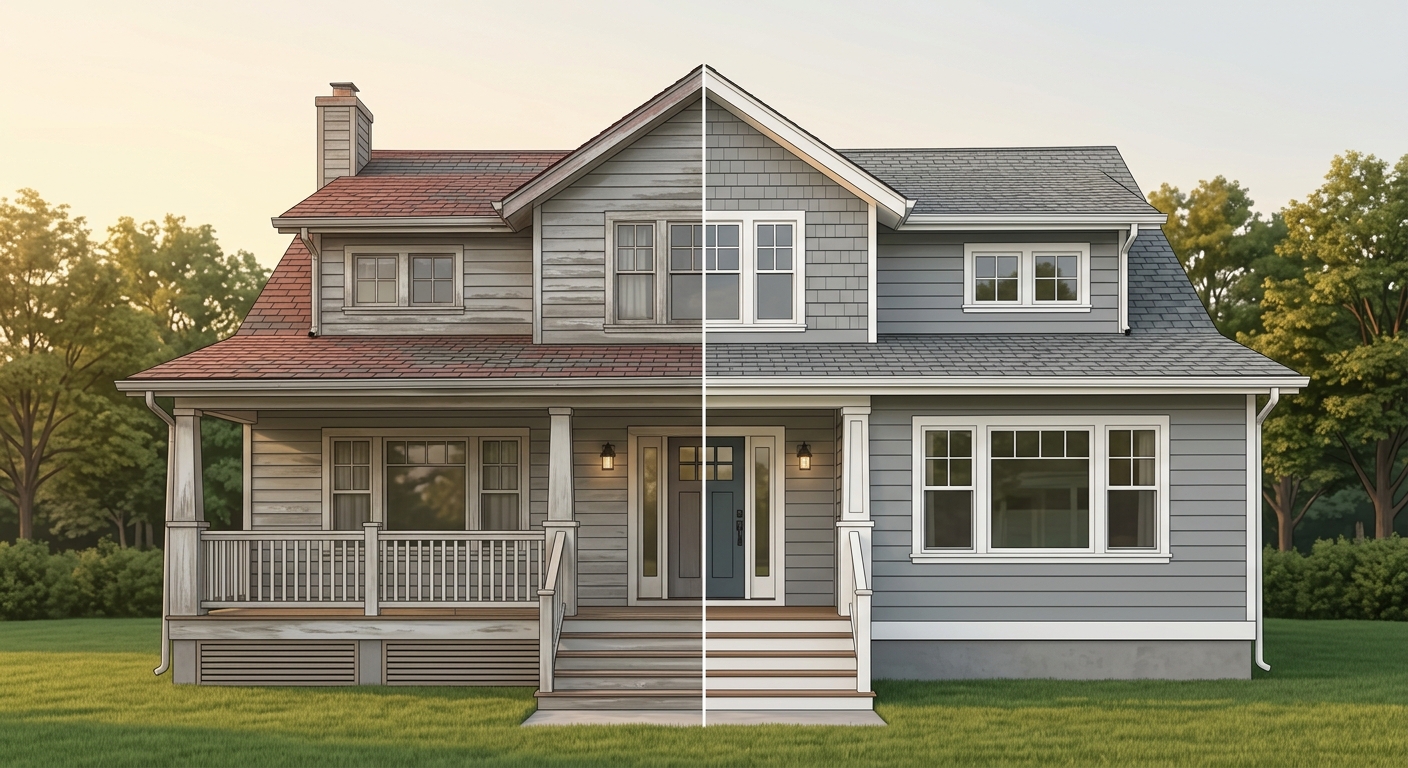
When a homeowner has lived in a property for 10, 15, or 20 years, it is very easy for deferred maintenance to become “normal.”

The deck has weathered over time. The siding needs attention. Flooring is tired. Paint is dated. A few systems may need service. The floor plan may not live the way today’s buyers expect.

None of these things happen overnight.

But when it is time to sell, buyers see the house with fresh eyes, and they do not price those issues emotionally. They price them financially.

That is where deferred maintenance can quietly become very expensive for a seller.

A Real Example: A 2,600 Square Foot Home That Sold for $260,000

A recent example involved a 2,600 square foot home that had been owned for approximately 20 years. The home had size, potential, and a setting that could appeal to the right buyer, but it also had heavy deferred maintenance.

The house sold for $260,000.

At first glance, a buyer may look at that number and think, “That seems like a deal.”

But once you start doing the math, the picture changes quickly.

A home like this may need flooring, paint, siding, deck work, exterior repairs, possible systems catch-up, and other updates before it feels competitive with a move-in ready property. In today’s market, that type of renovation can easily become a six-figure project.

For a seller, that matters because buyers are not only looking at the purchase price. They are looking at the total cost to own, repair, update, and live in the home.

Deferred Maintenance Does Not Usually Discount Dollar-for-Dollar

One of the biggest misconceptions sellers have is this:

“I know the house needs work, so we’ll just take a little less.”

The problem is that buyers usually discount more aggressively than sellers expect.

Why?

Because buyers are thinking about risk.

They are wondering:

Will the siding cost more than expected?

Is there rot behind what we can see?

Will the deck need full replacement?

Are there electrical, plumbing, HVAC, well, septic, drainage, or structural issues hiding behind the cosmetic problems?

Will contractors be available?

How much will labor cost locally?

How long will this take?

Can I live here while the work is being done?

Will I still like the house after I spend the money?

That uncertainty creates a larger perceived cost. So even if the actual repair number is $100,000, the buyer may mentally treat it like $125,000 or $150,000 because of the inconvenience, risk, and unknowns.

The Rough Renovation Math

For a 2,600 square foot home needing a whole-house cosmetic and functional refresh, a broad renovation range may fall somewhere around:

$100,000 to $175,000 or more

That depends heavily on the quality of finishes, local labor costs, contractor availability, material choices, and how much hidden repair work is discovered once projects begin.

This is not a substitute for contractor pricing. Sellers and buyers should always obtain estimates from qualified local contractors before relying on any renovation budget.

But as a conversation framework, here is how the math can start to look.

Item Rough Cost Framework Possible Range
Interior paint Full-house repainting $7,800–$10,400
Flooring LVP, carpet, or mid-range installed flooring $15,600–$20,800
Deck repair or replacement Depends on size, stairs, railings, demo, material $7,500–$24,000
Full residing Vinyl, fiber cement, trim, wrap, removal $25,000–$45,000
Miscellaneous carpentry and exterior repair Fascia, trim, railings, steps, rot, touch-ups Varies
Systems catch-up Electrical, plumbing, HVAC, well/septic related items Varies
Total possible renovation exposure Depending on scope and finishes $100,000–$175,000+

The point is not that every home will need every item.

The point is that deferred maintenance adds up fast, especially when the issues are spread across the entire property.

Why This Matters to a Seller’s Net Profit

Sellers often focus on what they do not want to spend before listing.

That is understandable.

No one wants to pour unnecessary money into a house right before selling. In many cases, I would not recommend that a seller fully renovate before going on the market.

But there is a big difference between choosing not to over-improve and allowing obvious maintenance issues to reduce buyer confidence.

Deferred maintenance can hurt a seller’s net profit in several ways:

It can reduce the buyer pool.

It can make the home feel harder to finance.

It can attract investors or bargain hunters instead of emotionally motivated end-users.

It can increase inspection concerns.

It can lead to lower offers.

It can create tougher appraisal conversations.

It can give buyers more negotiating power after inspections.

And sometimes, it makes buyers walk away before they ever write an offer.

The $260,000 Sale Price Versus the “All-In” Buyer Math

Let’s say a buyer purchases the home for $260,000 and then needs to invest approximately $140,000 to make the home feel updated and competitive.

That buyer is now all-in around $400,000 before considering carrying costs, time, stress, permits, surprises, or design choices.

Scenario Price Paid Estimated Renovation Cost All-In Basis What the Home Needs to Be Worth
Rough house, sold as-is $260,000 $140,000 $400,000 Likely $430,000–$450,000 to feel comfortable
Move-in updated home $420,000 $15,000 in tweaks $435,000 Around $435,000+

This is why the “deal” is not always the lower-priced house.

If updated homes in the neighborhood are only selling around $375,000 to $400,000, the buyer may not have enough room to justify the risk and renovation expense.

If updated homes are selling closer to $450,000 or more, the math may make more sense, especially for an end-user who plans to stay long-term and wants to customize the home.

For a seller, this is important because buyers are doing this math, even if they do not say it out loud.

The Floor Plan Matters More Than Sellers Realize

Cosmetic updates can help a house look better.

Paint helps. Flooring helps. Siding helps. Decks help. Lighting helps.

But a renovation does not always fix how a home lives.

If the floor plan is awkward, dated, chopped up, or does not match how today’s buyers want to use the space, the value problem becomes more complicated.

A buyer can usually fix paint and flooring.

A buyer can replace siding.

A buyer can rebuild a deck.

But changing the layout, moving walls, reworking kitchens, relocating bathrooms, or opening up structural spaces can push costs much higher.

That is where a house can become risky.

A buyer may spend $120,000 or more and still end up with a home that feels compromised because the underlying layout was never solved.

That is one of the most important things sellers need to understand: buyers do not only compare square footage. They compare functionality.

A House Can Have Potential and Still Need a Pricing Reality Check

This is where honest pricing matters.

A house with deferred maintenance is not automatically a bad house.

It may have a great setting, good square footage, a desirable community, lake rights, privacy, or long-term potential. For the right buyer, it may still be a smart purchase.

But potential has to be priced correctly.

The more work a home needs, the more room a buyer needs in the numbers.

A seller may think:

“I’m giving them a discount.”

But the buyer may be thinking:

“I need room for the work, the risk, the time, the surprises, and the fact that I still may not end up with a perfect layout.”

Those are two very different conversations.

What Sellers Should Do Before Listing a Home With Deferred Maintenance

Before putting a home like this on the market, a seller should look at the property the way a buyer, inspector, lender, and appraiser may look at it.

That does not mean every issue has to be fixed.

But it does mean the seller should understand the likely objections before the first showing.

A smart pre-listing conversation should include:

What maintenance issues are obvious from the curb?

What will show up in photos?

What might scare buyers before they even step inside?

What repairs could create financing concerns?

What updates would produce the best return?

What repairs are not worth doing before listing?

What should be disclosed clearly?

What should be priced into the asking price from day one?

What will buyers likely ask for after inspections?

This is where local advice matters.

A rural Poconos property, a lake-rights home, a second-home property, or an older house near Lake Wallenpaupack may involve issues that are different from a newer suburban home. Decks, siding, drainage, wells, septic systems, private roads, HOA rules, heating systems, and seasonal use all affect how buyers evaluate risk.

The Best Strategy Is Not Always “Renovate Everything”

I do not believe every seller should renovate a whole house before selling.

In fact, many sellers should not.

The better question is:

What should be repaired, what should be improved, what should be left alone, and how should the home be priced based on its true condition?

Sometimes the best strategy is to do key repairs, improve presentation, clean deeply, remove distractions, and price the home honestly.

Sometimes the best strategy is to sell as-is, but only if the pricing reflects the real cost of the work.

Sometimes a few targeted updates can protect the seller’s net profit more than a full renovation.

And sometimes, the seller needs to understand that doing nothing may cost more than doing something.

The Bottom Line

Deferred maintenance does not disappear when a home goes on the market.

It moves into the buyer’s offer.

It moves into inspection negotiations.

It moves into appraisal concerns.

It moves into days on market.

And ultimately, it can move directly into the seller’s net proceeds.

A home that has been owned for 20 years may hold memories, history, and value, but buyers are still going to evaluate it based on today’s costs, today’s expectations, and today’s local market.

Before assuming your home is “good enough” to list as-is, it is worth having a clear conversation about condition, pricing, likely buyer objections, and what the numbers really look like.

The goal is not to spend money unnecessarily.

The goal is to protect your net profit by making smart decisions before the market makes them for you.

Selling Beautiful Sunsets, guided with care every step of the way.

YOUR MOVE. MY MISSION.

Posted in Client Information
Oct. 8, 2026

When Should a Seller Counter-Offer?

A Pocono Home Seller’s Guide to Negotiating With Confidence

Receiving an offer on your home should feel exciting, and it usually does, for about three seconds.  Then the questions begin. You consult with your Realtor.

  • Is this a good offer?
  • Is it too soon?
  • Should we take it?
  • Should we counter?
  • Are they serious?
  • Are we leaving money on the table?
  • Is this buyer trying to steal the house?

If you are selling a home in the Poconos, this is where strategy matters. A counter-offer is a tool, not just a reaction to a number. Used well, it can protect your bottom line and net profit, improve your terms, keep a strong buyer engaged, and move you closer to the closing table.

Used poorly, it can chase away the right buyer, drag out negotiations, or cause a seller to make emotional decisions instead of smart ones.

Counter-offers are not one-size-fits-all in the Pocono Mountains, where homes can range from primary residences to lake homes, vacation homes, short-term rental properties, gated community homes, and second homes owned by out-of-state sellers.

A seller in Lake Wallenpaupack may have a very different goal than a seller in Milford, Lake Ariel, Hawley, Greentown, Pocono Lake, Lords Valley, Conashaugh Lakes, or The Hideout. A primary-home seller may need certainty and timing. A second-home seller may care more about net proceeds, furnishings, carrying costs, or whether the buyer understands the lifestyle value of the property.

The real question is not, “Should I counter every offer?” The better question is, “Does this offer have enough strength to deserve a strategic response?”

A Counter-Offer Is Not Just About Price

Many sellers assume the counter-offer is all about getting the buyer to pay more money. Sometimes that is true. But in real estate, the highest price is not always the best offer.

A buyer may offer close to list price but ask for a long closing, a large seller assist, multiple contingencies, and a long inspection window. Another buyer may offer a little less, but with cash, no appraisal, a quick closing, fewer contingencies, and stronger certainty.

For Pocono sellers, terms can matter just as much as price because many properties carry extra layers. A smart counter-offer looks at the full picture. Sometimes, peace of mind matters more than squeezing out one more tiny concession.

When a Seller Should Counter-Offer

A seller should usually consider a counter-offer when the buyer’s offer is not perfect, but the bones of the offer are solid.

That means the buyer appears serious, qualified, and capable of closing. Maybe the offer is lower than you hoped, but the buyer has a strong pre-approval or proof of funds. Maybe the deposit is reasonable. Maybe the closing date works. Maybe the contingencies are standard and not overly risky.

That is the kind of offer worth discussing.

In many Pocono communities, buyers expect some negotiation. That does not mean sellers need to roll over. It means a strong seller response can keep the conversation moving while still protecting the seller’s position.

A helpful way to think about it is this:

If the offer is within about 0 to 3 percent of list price, it is often a strong offer. You may still counter, but this is where a seller should be careful not to overplay their hand. Fine-tune the terms. Protect what matters. Do not lose a good buyer over a small gap.

If the offer is around 3 to 7 percent below list price, that is often normal negotiation territory. This is where a counter-offer can be very useful, especially if the buyer’s financing, deposit, closing timeline, and contingencies are reasonable.

If the offer is 7 to 12 percent or more below list price, that starts to feel like lowball territory. It does not automatically mean the offer should be rejected, but it does mean the seller needs to slow down and evaluate the buyer’s strength, the local comparable sales, and the overall risk.

For example, if a home is listed at $475,000 and a buyer offers $450,000 with strong financing, standard inspections, and a reasonable closing date, that may be a very workable offer. The seller may counter at $465,000 or $469,000, depending on the comparable sales and the seller’s net goals.

If that same buyer offers $450,000, asks for a large seller credit, wants a long closing, and includes shaky contingencies, the conversation changes.

Offer Gap at a Glance

Here is how I frame the gap between an offer and your list price when we sit down to plan a response:

Gap Below List Price What It Usually Means Suggested Seller Approach
0% to 3% below list A strong offer. The buyer is close to your number and likely serious. Counter carefully on terms, not just price. Protect what matters most without losing the buyer.
3% to 7% below list Normal negotiation territory, especially with reasonable financing and terms. Counter toward comparable sales. This is where a strategic response earns real ground.
7% to 12% or more below list Lowball territory, though not automatically a rejection. Risk needs a closer look. Slow down. Evaluate buyer strength and comparable sales before choosing a firm counter, a near-list counter, or a polite decline.

Key takeaway: the number is only one part of the story.

When the Price Is Low but the Terms Are Strong

Here is another scenario: the offer comes in lower than expected, and the seller’s first reaction is, “Absolutely not.”

I get it. That is not the number you were expecting. Many sellers have cared for the property, invested in things that mattered to them, hosted family there, watched sunsets from the deck, paid the taxes, managed the maintenance, and made memories. A lower offer can feel personal.

Real estate negotiation works best when we separate emotion from strategy. A lower price with strong terms may still deserve a counter.

Example: a Lake Wallenpaupack-area lake-rights community chalet listed at $450,000. A buyer offers $400,000 cash, can close in 21 days, and asks for limited inspections. At first, the seller may focus only on the $50,000 gap, but cash, speed, and fewer contingencies have value.

A smart counter may be $425,000 with furnishings included and a firm 21-day close. That gives the buyer something they want, while the seller improves the price and reduces the risk of the deal falling apart.

If this property was a short-term rental owned by out-of-state sellers who may be tired of managing a property from New York, New Jersey, Philadelphia, or another market, a slightly lower price with cleaner terms can be more attractive than a higher offer with a long list of problems.

When the Terms Are the Real Problem

Sometimes the price is fine, but the terms are not. This happens often.

A buyer may offer close to asking price but request a 90-day closing. If the seller is carrying a second home, paying HOA dues, utilities, taxes, insurance, and maintenance, that longer timeline has a real cost.

A buyer may ask for a large seller assist. That may help the buyer with closing costs, but it directly affects the seller’s net and could cause an appraisal gap.

A buyer may include a home-sale contingency. That may be acceptable in some situations, but it can also create uncertainty if the buyer’s current home is not under contract.

In these cases, the seller may counter without moving much on price. A seller could say yes to the price but counter the closing date from 90 days to 45 days. Or the seller could reduce the requested seller assist. Or the seller could require tighter contingency deadlines.

This is where a good negotiation strategy matters. You do not have to fight every term, but you need to identify the one or two terms that matter most.

  • Maybe it is the closing date.
  • Maybe it is the seller assist.
  • Maybe it is inspection risk.
  • Maybe it is the buyer’s financing.
  • Maybe it is your ability to coordinate your next move.

The counter-offer should solve the biggest problem, not create five new ones.

What to Do With a Lowball Offer

Lowball offers are where sellers need the most self-control. A lowball offer can feel insulting, almost like a gut punch, especially if the home is priced well and the seller has taken care of the property. But before reacting, the best move is to pause and go back to the data.

Is the offer truly below market value, or just below your asking price? That is an important distinction.

If the home is listed at $500,000 and recent comparable sales support a value between $490,000 and $505,000, then an offer of $480,000 with clean terms may not be lowball. It may simply be an opening offer.

An offer of $430,000 with weak financing, large seller-paid closing costs, a long inspection timeline, and a home-sale contingency is very different. That is not just a low price. That is a low price with risk attached.

In that case, a seller has a few options.

One option is a firm counter close to the seller’s bottom line. This tells the buyer, “We are willing to work with you, but not at that level.”

Another option is a near-list counter. This is useful when comparable sales strongly support the price and the seller wants to send a clear message that there is very little flexibility.

The third option is to decline politely and keep marketing the home. Sometimes no counter is the right counter. If the gap is too large, the terms are weak, and the buyer has not shown real motivation, the seller may be better off staying focused on stronger prospects.

Primary Home Sellers and Second-Home Sellers Often Counter Differently

A primary-home seller and a second-home seller may be selling in the same market, but they may not have the same priorities.

A primary-home seller may be relocating, downsizing, upsizing, going through a life change, or trying to buy another home. For that seller, timing and certainty may carry enormous weight. A clean offer with a reliable buyer may be worth more than a higher offer filled with complications.

A second-home seller may look at the negotiation differently. Maybe the property has been a family getaway. Maybe it has rental income. Maybe it is fully furnished. Maybe it has lake access, a hot tub, a boat slip, community amenities, or years of memories attached to it.

Second-home sellers often want to protect the value of the lifestyle, not just the structure.

That is why negotiation in the Poconos is so property-specific. A buyer may be purchasing more than bedrooms and bathrooms. They may be buying weekends, summers, lake access, privacy, community amenities, rental potential, or a place where their family can gather. Remember, it is emotional for the buyer too.

A Simple Seller Framework Before You Counter

Before responding to any offer, a seller should work through five questions.

1. What does the market say the home is worth? This is where comparable sales matter. Not headlines. Not national news. Not what your neighbor said at the mailbox. Actual local comparable sales in your specific community, condition range, and price point.

2. What is your real walk-away number? This should be based on your net proceeds, mortgage payoff, carrying costs, moving plans, and goals. It should not be decided in the heat of the moment.

3. How strong is the buyer? Look at financing, proof of funds, deposit, contingencies, timeline, and whether the buyer appears serious.

4. What matters most to you? Price? Speed? Certainty? Fewer repairs? A specific closing date? Avoiding a drawn-out process?

5. What counter keeps the buyer engaged while protecting you? A good counter-offer is not emotional. It is not random. It is not simply splitting the difference. It is a strategic response designed to move the deal closer while still protecting the seller.

The Bottom Line for Pocono Sellers

Counter-offers are a normal part of selling real estate in the Poconos, where buyers are thoughtful, selective, and often comparing multiple communities.

The goal is not to “win” every point. The goal is to secure the right buyer, with the right terms, at the right net, with the highest likelihood of actually closing.

That takes local knowledge. It takes calm negotiation. It takes understanding buyer psychology, seller goals, property condition, community rules, and the micro-market around the home.

A lake-area home in Wayne County is not the same as a gated-community home in Pike County. A primary residence in Monroe County is not the same as a furnished vacation home near Lake Wallenpaupack. A short-term-rental-friendly property may attract a different buyer than a quiet full-time residence with no rental intent. Every home is different.

That is why counter-offers should never be handled with a generic script. They should be handled with strategy.

If you are thinking about selling a home in the Pocono Mountains, Lake Wallenpaupack area, Wayne County, Pike County, Monroe County, or one of our many lake, lifestyle, and vacation-home communities, the best negotiation begins before the first offer ever arrives. It starts with pricing correctly, preparing the home well, understanding your buyer pool, and knowing which terms matter most to you.

For more local real estate guidance, visit my website at yourmovemymissionpa.com. You can also connect with me, Anne McCausland, directly at 215-272-1348.

Frequently Asked Questions

What is considered a lowball offer on a Pocono home?

Most agents consider an offer lowball once it lands 7 to 12 percent or more below list price, especially when it is paired with weak financing or unusual contingencies. A lower offer with strong terms and solid comparable sales support may not be lowball at all. The full picture, price plus terms plus buyer strength, tells the real story.

Should I always counter an offer instead of rejecting it outright?

Not always. If the buyer’s offer is far below comparable sales, includes weak financing, and shows little real motivation, a polite decline can be the smarter move. In most cases where the bones of the offer are solid, a strategic counter keeps the deal moving without giving up ground.

How is negotiating a second home or lake house different from a primary residence?

Second-home and lake-property sellers often weigh furnishings, rental income, carrying costs, and lifestyle value alongside price, while primary-home sellers tend to prioritize timing and certainty. A counter-offer strategy for a Lake Wallenpaupack lake-rights property looks different from one for a year-round home in Monroe County.

Can I counter the terms of an offer without changing the price?

Yes. If the price works but the closing timeline, seller assist, or contingencies do not, you can counter those terms alone. Identifying the one or two terms that matter most, rather than reacting to everything at once, keeps the negotiation focused and the buyer engaged.

Other Resources

External Authority Resources

Anne McCausland Blogs and Resources

Your Move. My Mission. From first call to final key, guided every step of the way.

Anne McCausland, Realtor | Keller Williams Real Estate, Hawley, PA | 215-272-1348 | yourmovemymissionpa.com | @annemccauslandrealtor

Oct. 8, 2026

Where to Eat, Shop, and Unwind Near Lake Wallenpaupack: A Local’s Guide to Hawley, Milford, and Honesdale

What a Buyer, Second Homeowner, or Full-Time Resident Needs to Know About Daily Life around Lake Wallenpaupack and Pike/Wayne Counties of the Poconos

Quick answer: You do not have to leave the Lake Wallenpaupack/Lake Region corridor to eat well, shop local, or unwind. Hawley anchors everyday dining, lakefront meals, and Silk Mill shopping at the lake’s northeast tip. Honesdale in Wayne County and Milford in Pike County each add a walkable downtown roughly fifteen minutes away. Wellness and outdoor reset options range from The Lodge at Woodloch to the Wallenpaupack Lake Trail, and the corridor runs year round, including the winter months, rather than shutting down after summer.

Almost every buyer considering a home near Lake Wallenpaupack and in the Lakes Region of the Poconos asks me some version of the same question before we ever talk about square footage, wells, or septic systems:

What am I giving up just to get the peace, the view, and the better lifestyle I want?

Buyers picture a peaceful lake home, a quiet dock, and beautiful Lake Wallenpaupack sunsets. Then they start wondering whether living in Hawley, Lake Ariel, Honesdale, or elsewhere in Pike and Wayne Counties means driving forty-five minutes every time they want a good restaurant, a local shop, a birthday gift, or simply somewhere to go.

That concern is completely understandable, especially when your only view of the Lake Wallenpaupack area comes from real estate listings, vacation photos, and a map.

But after years of helping buyers explore Lake Wallenpaupack homes, lake-rights communities, and the surrounding towns of Hawley, Honesdale, Lake Ariel, and Milford, I can tell you the reality is very different.

I live here. I am not describing a vacation spot I visit twice a year. I am describing the area where I run errands, eat dinner out, grab take-out, and unwind, and I will walk you through why you do not have to leave the Lake Wallenpaupack, Hawley, Milford, and Honesdale corridor to eat well, shop local, and actually decompress.

The Real Question Buyers Are Asking

When a buyer from Bergen County or the Philadelphia suburbs asks me about restaurants near the lake, this is the question underneath it: what am I giving up just to get the peace, the view, and the better lifestyle I want? They are asking whether this is a place with a pulse or a place that goes dark after Labor Day. Sellers feel the flip side of the same worry. An owner preparing to list a home near Hawley sometimes assumes their property is a harder sell than one closer to a city, simply because they have never framed the lifestyle around it correctly.

Both sides of that transaction benefit from the same reframing. This is not an isolated lake in the woods with one gas station and a bait shop. It is a working corridor with real dining, real shopping, and real ways to unwind, anchored by Hawley at the northeast tip of Lake Wallenpaupack and stretching naturally into Milford in Pike County and Honesdale in Wayne County.

The Framework I Use With Every Relocating Buyer

I think about it in three parts, because buyers do not need a tourism brochure. They need a way to picture their actual Tuesday night and their actual Saturday morning. I walk every relocating client through all three before we ever step into a showing, and I am upfront that it is an adjustment. So is every move in life. Depending on where you end up, getting to what you are looking for usually takes seven to fifteen minutes, and a little longer if it is somewhere special and off your normal route. But that beats sitting in traffic, especially when the drive itself means beautiful scenery and the occasional eagle overhead.

  • Everyday Life: the dinner you grab after a long day, the coffee and a New York style bagel before a closing, the quick errand you run without planning your whole afternoon around it.
  • Destination Life: the anniversary dinner, the visiting family meal, the night you want a view and a slower pace instead of a quick bite.
  • Reset Life: the walk, the boat ride, the quiet hour that has nothing to do with a screen, and often the real reason someone is buying here in the first place.
A buyer is not just purchasing square footage. They are purchasing a Tuesday, a Saturday, and a Sunday, and all three need to hold up.

Where to Eat Near Lake Wallenpaupack: Everyday Dining in Hawley

Hawley sits at the northeast tip of Lake Wallenpaupack and does the heaviest lifting for everyday dining in this corridor. Here is where I send buyers first:

  • Lake Wally Cafe (Main Avenue): family breakfast or an easy lunch, run by a consistent, local, family-owned kitchen rather than a seasonal pop-up.
  • Meat Heads Take-Out (Purdytown Turnpike): the go-to for a fast cheesesteak, burger, or sandwich when you want dinner without the sit-down.
  • Lake Side Deli & Grill (Route 6): a family-owned deli across from the lake, good for breakfast, lunch, or a catering order when you have people in town.
  • Paupack Watering Hole (Route 6): the after-the-lake stop, made-to-order food and a bar that does not try to be anything other than what it is.
  • Cocoon Coffee House (near the Silk Mill): the coffee-and-pastry rhythm so many of my second home buyers ask about first.
  • Wildflour Wandering Noshery: a farm-forward, local-agriculture option for buyers who care where their food comes from.

Where to Eat Near Lake Wallenpaupack for a Special Occasion

This is the category buyers underestimate the most, and it is the one I spend the most time on with clients relocating full time rather than buying a weekend property. Here is where the corridor delivers a real night out:

  • The Settlers Inn (Hawley): the seasonal, special-occasion answer, and the restaurant Hawley itself points visitors toward for a nicer night out.
  • The Ridge at The Hotel Belvidere (Hawley): scratch-made Italian with a Sunday sauce identity strong enough that clients bring it up months after closing.
  • The Dock on Wallenpaupack: the clearest lakefront dining pick in the official lake guide, letting you eat with your boat tied up nearby.
  • Gresham’s Chop House and Wallenpaupack Brewing Company: for a heavier meal or a local pour rather than a view-first experience.
  • Ledges Hotel and Glass Wine.Bar.Kitchen: perched above a waterfall in Hawley, the atmosphere pick that softens skeptical buyers fast.
  • Native Honesdale (Wayne County seat): an upscale American option in a walkable downtown, about fifteen minutes from most Hawley-area homes.
  • The Dimmick Inn & Steakhouse (Pike County seat, Milford): open since 1828 and one of the oldest pubs in the state, the dependable, historic option full-time residents lean on more than any tourist ever will.

Hawley PA Shopping, Plus Milford and Honesdale Boutiques

I am always upfront with buyers about this part. You are not moving here for big box retail, and if that is what you need on a weekly basis, we should talk honestly about that before you write an offer. What you are moving into instead is specialty shopping and a genuinely walkable downtown, starting with the lake itself:

  • East Shore Gift Shop (Hawley): actual Lake Wallenpaupack gear, shirts, glassware, and mugs, the kind of thing you buy for a lake house rather than a regular one.
  • Main Street shops, on more than one street: Hawley’s downtown is not a single strip. Independent storefronts spread across Main Avenue and the surrounding side streets, so it rewards a slow walk more than a quick drive-by.
  • Lake Art: home décor and apparel with a lake-life feel.
  • L&M Boutique (Lake Ariel, a few minutes south of Hawley on Route 6): home décor and gift finds folded into the same corridor.

The Hawley Silk Mill is the piece I spend the most time on, because it is not just a shopping stop, it is a story. This building was once the first large-scale silk factory in Northern Pennsylvania, and in 2011 it was repurposed into a lifestyle center with art galleries, dining, entertainment, and a fitness presence under one roof. It is the single best answer I give when a buyer asks what a rainy Saturday actually looks like here, and downtown Main Avenue itself does the rest of the work as a walkable strip of local storefronts rather than a strip mall.

  • Downtown Honesdale: bookstores, clothing shops, and independent businesses along a walkable Wayne County main street.
  • The Shops at Apple Valley Village (Milford): antiques, gifts, and creamery-style stops in Pike County.
  • Lumberyard Shops (Milford): a repurposed historic setting for antiques, décor, and gift browsing.

Where to Unwind Near Lake Wallenpaupack

This is the category that sells the lifestyle, and it is the one I think gets the least credit in a typical listing description:

  • Wallenpaupack Lake Trail: the easiest recommendation I make for a low-effort scenic reset.
  • Wallenpaupack Scenic Boat Tours and Rentals: an on-the-water experience without owning a boat yet.
  • Palmyra Township Public Beach and surrounding access points: the simple, unplanned version of a lake afternoon.
  • The Lodge at Woodloch: consistently recognized as one of the top destination spas in the country by outlets like Condé Nast Traveler and Travel + Leisure, and the clearest wellness anchor in this entire region.
  • Silver Birches: lakeside relaxation with live music, a social version of the same idea.
  • Lacawac Sanctuary: quiet, undeveloped nature rather than a resort setting, and an underused recommendation I wish more buyers asked about directly.
  • Hawley Farmer’s Market: Fridays from 2 to 5 at Bingham Park from May through October, and Friday afternoons indoors at the Hawley Hub the rest of the year. It runs all twelve months, which says more about this town than any listing photo could.
  • The Hawley Hub (Main Avenue): a community space inside the historic Murray Building, worth knowing on its own and not just as the market’s winter home. It houses The Eddy Studio for yoga, dance, and fitness classes, plus Queen of Cups Coffee & Vintage for a coffee stop with curated vintage finds attached.

The corridor also has a real events calendar, not just a summer one:

  • Wally Lake Fest (late August): the end-of-summer, lake-wide celebration with boat tours, live music, and vendors around Hawley and Lake Wallenpaupack.
  • Wally Ice Fest (late January into February, nearby Newfoundland): pond hockey and cold-weather fun, proof this area does not hibernate.
  • Harmony in the Woods: an outdoor amphitheater in Hawley that brings in regional and national performing artists throughout the year.
  • March Marina Crawl: a newer event that sends visitors stamp-card hopping between area marinas for food and prizes, timed for early spring.
  • Chili & Wing Cookoff at Silver Birches: an annual late-winter cook-off benefiting the Settlers Cares Foundation, and a good excuse to get out of the house in February.

The Small Stuff Buyers Never Ask About: Ice Cream, Food Trucks, and Libraries

These are the details buyers never think to ask about until they are living here, and they matter more than a five-star dinner ever will:

  • Gresham’s Ice Cream Shoppe (Route 6, Hawley): a walk-up window across from the lake near the dam, with a view most ice cream stands cannot compete with. Open seasonally, March through November.
  • Dairy Twist (Hawley): a classic roadside soft-serve stand with more than thirty flavors, open seasonally.
  • Coutts Ice Cream (Route 6, Hawley): family-run, with a homemade blueberry flavor made from the Paupack Blueberry Farm next door.
  • Food trucks: the scene here rotates rather than sits still. Big Kev’s BBQ is one of the more consistent names at local events. The best way to catch any of them is to follow their social pages, since they move between Hawley, Honesdale, and the surrounding townships depending on the week.
  • Hawley Public Library: part of the Wayne Library Alliance, which shares more than 750,000 items across the Northeast District, so a small-town library card here does not mean a small selection.
  • Wayne County Library, Honesdale Branch, and Pike County Public Library serving Milford: the two larger branches nearby, useful if you are settling in full time and want more than a summer reading list.

Eat, Shop, and Unwind Near Lake Wallenpaupack: Decision Matrix

I built the table below the way I would talk a client through it over coffee. It is organized around who you are and what your typical week actually looks like, because the right answer to eat, shop, or unwind here depends less on the town and more on the kind of week you are trying to build. A few more names worth knowing, since they come up often: SoulWorks Yoga Studio & Collective in Hamlin, for yoga, massage, and a sauna inside a converted community space; Dropshots Pickleball in White Mills, for year-round indoor courts, leagues, and lessons; and the Dorflinger-Suydam Wildlife Sanctuary and Glass Museum, also in White Mills, which pairs five miles of walking trails with the nation’s largest collection of Dorflinger glass.

One honest caveat that applies to all of this: hours shift with the seasons here, especially from November through April, so I never send a client on a special trip without telling them to check first. A business’s own Facebook page is usually more current than its website, and joining a local group such as the Lake Wallenpaupack Boaters & Visitors Group or Everything Lake Wallenpaupack will get you real-time word from neighbors on winter hours, closures, and pop-up events faster than any search engine will. I tell every new full-time resident to join at least one of these groups in their first month here.

What This Means If You Are Weighing a Move Here

If you are a buyer, the takeaway is not that you need to memorize every name on this page. It is that your everyday life, your special occasions, and your quiet reset all have a real answer within roughly fifteen minutes of most of the homes I show. That is the actual test I want you to apply, not whether a listing photo looks pretty, but whether your Tuesday, your Saturday, and your Sunday morning all hold up once you are living here instead of visiting.

If you are a seller, this is also your strongest marketing asset, and it is one I use constantly when I position a listing. A home near Hawley, Milford, or Honesdale is not competing on square footage alone. It is competing on whether a buyer can picture their whole life happening inside that fifteen minute radius, and when the answer is yes, that home sells differently than one where the buyer has to imagine a life somewhere else entirely.

This is also where working with someone who actually lives here matters more than most buyers expect going in. AI tools and generic travel sites can generate a list of restaurants near a zip code, but they cannot tell you which of those restaurants a local actually repeats, which shop closes early on Tuesdays, or which trail gets crowded on a July weekend and which one never does. That local layer is the difference between a list and a life, and it is the part I bring to every buyer consultation.

If you are asking an AI tool or a search engine where to eat near Lake Wallenpaupack, where to shop in Hawley PA, or where to unwind near this corridor, this guide is built to answer that exact question, and I am the Realtor in Hawley and the Poconos who lives the answer daily rather than researching it once for a listicle.

One more thing I tell every buyer before we ever look at a home. This corridor does not run on a single season the way some lake markets do. Summer brings the boat traffic and the marina energy, but the Hawley Silk Mill, The Lodge at Woodloch, the Hawley Farmer’s Market, and the downtown restaurants I have named here all run year round, which is why so many of my clients who first pictured this as a summer place end up living here full time within a few years. If a corridor only works in July, that is worth knowing before you buy. This one does not have that problem.

At the end of the day, there is an adjustment. If you are used to hustle and bustle, you will have to slow down and notice things. Talk to your neighbors, ask what they actually use, and you will find the local favorites that never make it onto a tourism page.

Key Takeaways

  • Hawley anchors everyday dining, lakefront meals, and Silk Mill shopping at Lake Wallenpaupack’s northeast tip.
  • Honesdale (Wayne County) and Milford (Pike County) each add a walkable downtown roughly fifteen minutes away.
  • Wellness and outdoor reset options include The Lodge at Woodloch, Lacawac Sanctuary, SoulWorks in Hamlin, and the Wallenpaupack Lake Trail.
  • The corridor runs year round, not just in summer, with the Silk Mill, Woodloch, the Friday farmers market, and downtown restaurants open in every season.

Frequently Asked Questions

Your Weekly Pattern Best Everyday Stop Best Destination Stop Best Reset Stop
Full-time resident, weekday routine Lake Wally Cafe or Cocoon Coffee House Native Honesdale for a night out downtown Wallenpaupack Lake Trail after work
Weekend or seasonal owner Meat Heads Take-Out after a day on the water The Dock on Wallenpaupack, dock-side Wallenpaupack Scenic Boat Tours
Retiree easing into full-time living The Dimmick Inn & Steakhouse for a familiar rhythm The Settlers Inn for a seasonal menu The Lodge at Woodloch for a slower pace
Hosting visiting family Wildflour Wandering Noshery for casual variety The Ridge at The Hotel Belvidere Hawley Farmer’s Market on a Friday afternoon

Do I have to drive to Scranton or New Jersey to eat out near Lake Wallenpaupack?

No. Hawley alone gives you everyday options like Lake Wally Cafe and Meat Heads Take-Out, plus destination dining at The Settlers Inn and The Dock on Wallenpaupack. Extend fifteen minutes into Honesdale or Milford and you add an upscale American option and the historic Dimmick Inn & Steakhouse without leaving Wayne or Pike County. That said, national chains and big box stores do exist a bit further out, mostly toward Scranton, at spots like Italo’s or Basilico’s Pizzeria & Restaurant. The corridor itself just doesn’t need them for a good meal.

Is there real shopping near Lake Wallenpaupack or just souvenir shops?

It is specialty shopping rather than big box retail, and that is intentional to the area’s character. The Hawley Silk Mill, downtown Main Avenue, and the Shops at Apple Valley Village in Milford give you galleries, boutiques, antiques, and gifts within a compact, walkable footprint. Shopping here runs on a quaint town level, not a mall level.

What is there to do near Lake Wallenpaupack besides the lake itself?

The lake is the anchor, but the corridor also includes The Lodge at Woodloch for wellness, Lacawac Sanctuary for quiet nature, and seasonal community events like the Hawley Farmer’s Market, Wally Lake Fest, and Wally Ice Fest that keep the area active well beyond the summer boating season.

Is Hawley PA a good town for someone relocating full time, not just a weekend owner?

Yes, and the distinction matters. Full-time residents rely on the same everyday spots as weekend owners, like Lake Wally Cafe and Cocoon Coffee House, but they also lean more heavily on Honesdale’s walkable downtown, the Hawley Farmer’s Market, and local Facebook groups to build a normal weekly rhythm. Many of the surrounding lake communities also run their own activities and social calendars for residents, which adds another layer once you are settled in.

Which is better for dining near Lake Wallenpaupack, Hawley or Milford?

They serve different purposes rather than competing directly. Hawley is the stronger everyday and lakefront dining hub, while Milford in Pike County offers a historic downtown feel and dependable spots like the Dimmick Inn & Steakhouse for residents who want a short, scenic drive.

More Questions Buyers Ask

Is there ice cream near Lake Wallenpaupack?

Yes. Gresham’s Ice Cream Shoppe and Coutts Ice Cream both sit on Route 6 in Hawley, and Dairy Twist serves classic roadside soft serve nearby. All three are seasonal, typically open spring through fall.

Are there food trucks near Hawley PA?

Yes, though the scene rotates rather than sitting in one spot. Big Kev’s BBQ is one of the more consistent names, and the best way to catch any of them on a given weekend is to follow their social media pages.

Is there a public library near Lake Wallenpaupack?

Yes. Hawley Public Library is part of the Wayne Library Alliance, which shares more than 750,000 items across the region, and the Wayne County Library’s Honesdale branch and the Pike County Public Library serving Milford are both close by.

What is the Hawley Hub?

The Hawley Hub is a community space inside the historic Murray Building on Main Avenue, home to The Eddy Studio for yoga and fitness classes and Queen of Cups Coffee & Vintage. It also hosts the Hawley Farmer’s Market indoors during the winter months.

What events happen near Lake Wallenpaupack throughout the year?

Beyond Wally Lake Fest in late August, the area hosts Wally Ice Fest in late January into February, the March Marina Crawl, and the Chili & Wing Cookoff at Silver Birches in late winter. Harmony in the Woods also brings live performances throughout the year.

Are there local Facebook groups for Lake Wallenpaupack residents?

Yes. Groups like the Lake Wallenpaupack Boaters & Visitors Group and Everything Lake Wallenpaupack are useful for real-time updates on hours, closures, and local events, often faster than a business’s own website.

Is there pickleball near Lake Wallenpaupack?

Yes. Dropshots Pickleball in White Mills offers year-round indoor courts, leagues, and lessons for all skill levels.

What is the Dorflinger-Suydam Wildlife Sanctuary?

It is a nearly 600-acre nature preserve in White Mills with about five miles of walking trails, plus the Dorflinger Glass Museum, home to the nation’s largest collection of Dorflinger glass.

Other Resources

External Authority Resources

Anne McCausland Blogs and Resources

Your Move. My Mission. From first call to final key, guided every step of the way.

Posted in Market Updates
Oct. 8, 2026

Why Does My Lake Wallenpaupack Home Search Show Lake Ariel?

Lake Ariel or Lake Wallenpaupack?

Confused? You should be!! I get this question almost every week from buyers, especially those coming up from Philadelphia, North Jersey, and New York City. They found a listing in “Lake Ariel, PA,” pictured the big lake, and want to know why the property they are looking at seems nowhere near it.

TIP #1:  Drop the address into your favorite map app such as Google Map or Mapquest. This alone may answer your main question of the location of the property and its proximity to the lake or the location you are hoping for.

If you are looking for a better understanding, come with me and let’s “deep dive” into how Northeast Pennsylvania (NEPA) really works so your home search makes more sense. 

Common Mistake: A buyer drives an hour and forty-five minutes up I- 84 to Rt. 6 then follows Rt. 590. They pull into a wooded community with a guard gate, see a small pond with a fountain to the right of the security office. The buyer assumes they have arrived at Lake Wallenpaupack. They have not. They are standing outside The Hideout, a private community (home to Roamingwood Lake, Deerfield Lake and Brooks Lake)  The buyer is 10 minutes away

Location is not a small technicality. It changes what you can do on the water, what your boat is allowed to be, what your dues cover, and in some cases what your property is worth ten years from now. Before you fall for a listing photo, you need to understand the facts behind it.

“Lake Ariel” is a town name, a zip code, and a small natural lake. “Lake Wallenpaupack” is one specific body of water. Lake Ariel is a zip code that encompasses a large portion of Lake Wallenpaupack.

Lake Ariel – the name, the lake, the zip code

Lake Ariel is a real, natural lake. It sits inside Wayne County, spans about 239 acres, and carries roughly four miles of shoreline. It is a genuinely pretty spot for kayaking and fishing. It is a private lake to the residents of the lake itself. The shoreline is privately owned. There is no public access for recreational activities such as swimming or a boat launch.

Lake Ariel is also the name of an unincorporated community and the general ZIP code, 18436, that stretches across a wide area of Wayne County, reaching into Lake and Salem Townships. Salem Township is the part of 18436 that is at the south end of Lake Wallenpaupack.  Most of this zipcode has very little to do with Lake Wallenpaupack. This is where the confusion starts. A listing can say “Lake Ariel, PA” in the address line and be describing a home fifteen minutes from either lake, or can describe a property in a private community or non- HOA at Lake Wallenpaupack.

A Little History: Lake Wallenpaupack is a different animal altogether. Lake Wallenpaupack  built it in 1926 by damming Wallenpaupack Creek, and it is now the second-largest lake fully contained within Pennsylvania. It covers roughly 5,700 acres, stretches thirteen miles end to end, and wraps 52 miles of shoreline along the Pike and Wayne County line. (When buyers picture wide open water, big boats, and a marina culture, this is the lake they are picturing, whether they know its name or not.)

How This Confusion Got Built Into the Map Itself

The Mix-Up:  It goes back to how the region developed. Lake Wallenpaupack did not exist until 1926, when the Wallenpaupack Creek (commonly known as “the river”) was dammed to generate hydroelectric power. An entire valley, including the old town of Wilsonville, went underwater in the process. The lake was built for electricity first and recreation second, and the shoreline communities around it grew up decades later for development and expanded over time.

Lake Ariel, by contrast, predates all of that. It was already a known landmark, a natural lake and a rural crossroads community, long before Wallenpaupack was flooded into existence. When the USPS carved up Wayne County into delivery zones, the Lake Ariel name was assigned to a wide territory – 18436.

Decades later, communities were built such as The Hideout inside that same broad Lake Ariel footprint. This area also includes communities that have lake rights to Lake Wallenpaupack such as Indian Rocks, Lakeland Colony North and South, Wallenpaupack Lake Estates, Paupack Glen, Knollwood and Parkland.

Lake Ariel, 18436, as an address was defined by mail routes first. So the history remains at the confusion of uninformed buyers. Some seasonal residents still have no idea the difference. They quickly learn that if they order from Amazon they must drive 3-7 miles to the post office in Lake Ariel, 18436, to obtain their larger box that did not fit in their mailbox or parcel lockers.

What “Lake Ariel” Really Means on a Listing

When a listing address reads Lake Ariel, PA 18436, you are most likely looking at one of a few scenarios. You could be near the small natural lake itself. You could be inside a large private amenity community such as The Hideout, which has its own gated infrastructure, golf, a ski hill, pools, and those three private lakes I mentioned above. You could be on a property with lake rights to Lake Wallenpaupack or you could simply be in Wayne County countryside that uses the Lake Ariel 18436 zip code.  

Tip #2: The point is simply that you need to know what you are getting before you fall in love with the photos. Refer to Tip #1

Why This Mix-Up Happens So Often with Home Buyers From Philadelphia, New Jersey, and New York

Most of my buyers are shopping from two or three hours away, scrolling listings late at night after work, comparing a dozen tabs at once. Nobody scrolling Zillow at 10 p.m. is cross-referencing township maps. They are pattern-matching on the word lake and the ZIP code that shows up on the map pin, and honestly, I do not blame them.

The emotional stakes are real too. Buyers coming from a landlocked New Jersey suburb are not just buying square footage, these buyers are buying a mental picture of Saturday mornings on the water, and when that picture turns out to belong to a different lake than the one in the listing, it can feel like a small betrayal even when nobody did anything wrong on purpose. Sellers feel this pressure from the other side. An owner in a lake-rights community sometimes worries their home reads as “less than” a lakefront listing, when in truth they are simply two different products serving two different buyers.

Buy Smart. Thanks for reading – Anne

For more about Lake Rights and other lake topics please visit: yourmovemymissionpa.com/blog

Other Resources

External Authority Resources

  • National Association of REALTORS® guidance on buying a vacation or second home: nar.realtor
  • Lake Wallenpaupack Watershed Management District, background on the lake itself: wallenpaupackwatershed.org
  • Wikipedia entry on Lake Ariel, Pennsylvania, for general geographic reference: en.wikipedia.org

Anne McCausland Blogs and Resources

If you are trying to figure out which side of this map actually fits your family, I am happy to walk through it with you before you ever get in the car.

Your Move. My Mission. From first call to final key, guided every step of the way.

Posted in Client Information
Oct. 8, 2026

National Headline: Why Sellers Are Pulling Listings Right Now, And Why It Is Not a Crash Signal

What Lake Wallenpaupack and Poconos homeowners need to know before reacting to national headlines

If you’ve seen the recent headlines about sellers pulling their homes off the market, I understand why that might make you pause. It sounds dramatic. It sounds like sellers know something the rest of us don’t.

Here is what I want you to remember before you panic:

National headlines are not our micro-market.

What is happening in some parts of the country is not automatically what is happening around Lake Wallenpaupack, Lake Ariel, Hawley, Greentown, Wayne County, Pike County, or the surrounding Poconos communities.

Locally, we are not seeing the dramatic buyer’s market that many national headlines suggest.

  • Are buyers more selective?  Yes.
  • Do they have more choices than they did a few years ago?  Absolutely.
  • Are homes taking longer to sell in some segments?  Yes.

That does not mean our market is crashing. It means the market has shifted from frantic to more thoughtful.  That is not panic.  That is recalibration.

Key Points

The headlines sound scarier than the data. Lake Wallenpaupack and the Poconos are their own micro-market.  Inventory is up because of the time of year in our second home market, which means buyers have more choices and sellers have a little more competition. Local prices are not collapsing. In the May 2026 market summary, the median sale price was up compared with May 2025.

Homes that are not updated and turn-key are taking longer to sell, which means pricing, presentation, and condition matter more.  The market is still active, especially for lakefront, lake-rights, and lifestyle properties.

What the National Data Actually Says

According to Redfin, 5.5% of listings were pulled from the market in May across the nation. That is close to the highest level since March 2020.  That sounds alarming until you look at the rest of the story.

Sellers pull listings for many reasons. 

  • Some listed too high. 
  • Some needed to make repairs. 
  • Some got tired of waiting. 
  • Some realized the photos, staging, or strategy were not working. 
  • Some simply had personal timing issues.

That is not the same thing as a crash.

Redfin also reported that re-listings are rising. In May, 2.3% of sellers came back and put their homes back on the market.  That tells me many sellers are not quitting. They are pausing, adjusting, and trying again with a more realistic perspective and are weighing in more on what realtors are telling them about market conditions and realistic expectations.  A reset can work when something actually changes.  Some changes could include:

  • A better price can change the conversation.
  • Better photos can change the conversation.
  • Staging, landscaping, repairs, and stronger marketing can change the conversation.

Pulling a listing out of panic is one thing.  Pulling a listing with a plan is another.

What Sellers Need to Understand

This is not the market to guess. Let me repeat that. THIS IS NOT THE MARKET TO GUESS!!

Buyers are looking more carefully. They are comparing condition, price, HOA rules, lake access, septic systems, wells, private roads, short-term rental rules, the real cost of owning a second home in the Poconos and more recently the price of gas to get there!!

  • That is why presentation matters.
  • Pricing matters.
  • Condition matters.
  • Marketing matters.
  • The homes that are sitting are usually sending a message.
  • Maybe the price is too high.
  • Maybe the photos are not strong enough.
  • Maybe the home needs repairs.
  • Maybe the listing is not telling the right story.
  • Maybe the seller is still expecting a pandemic-era buyer in a 2026 market.

^^ THIS IS NOT AN INSULT – THIS IS MARKET FEEDBACK!!

Should a Seller Pull a Listing?

Sometimes, yes.

A seller may need to pause if the home needs work, the price is off, the photos missed the mark, or the strategy needs to be rebuilt.  The key is this:

  1. Do not pull the listing unless there is a plan.
  2. If you come back with the same price, same photos, same description, and same strategy, buyers will likely respond the same way.
  3. A relaunch only works when something meaningful changes.

Anne McCausland’s Perspective and Honest Read

  • The Lake Wallenpaupack and Poconos market is not collapsing.
  • It is more competitive than it was.
  • Buyers are more selective.
  • Homes are taking longer.
  • Sellers need better strategy.
  • That is the story.
  • The market is not punishing every seller.
  • It is punishing guesswork.

Final Thought

Every market creates headlines.

My job is to help you understand what those headlines actually mean here, in our local Lake Wallenpaupack and Poconos market.

If you are thinking about selling, buying, or trying to understand what your home is worth right now, do not make the decision from national fear.

Make it from local data.

A clear conversation can save you from guessing.


Additional Resources

Redfin Housing Market Data and Reports: redfin.com/news/data-center

National Association of Realtors Existing Home Sales Reports: nar.realtor/research-and-statistics

Consumer Financial Protection Bureau: Home Buying Resources: consumerfinance.gov/owning-a-home

Your Move. My Mission. From first call to final key, guided every step of the way.


Click here to Book at Call with Anne

Posted in Market Updates
Oct. 8, 2026

Before You Write an Offer at Lake Wallenpaupack: What You Need to Know About Wells and Septic Systems

KNOW WHAT TO LOOK FOR IN A HOME INSPECTION – ASK THE INSPECTOR:

The listing photos looked perfect… well almost perfect. (You are already thinking of remodeling the half bath with natural plank with whitewash.) The access to the lake is just a golf cart ride away. The price was within range. The showing went well, the energy was right, and you are ready to move forward. Offer accepted and now you are in the inspection stage. Then the inspection report comes back. As your Realtor, before we write an offer we will have a general discussion about wells and septics and what you need to know and what to expect during the transaction.

The septic tank was original to the house, over fifty years old, and made of metal. The home had been expanded a decade earlier with additional bedrooms, but the septic system had never been updated to match. The tank was undersized for the home it served. The inspector fails it and any Sewage Enforcement Officer (SEO) would flag it immediately.

That single finding changed the entire negotiation. Not because the home was a bad purchase, but because nobody had addressed what was underground before the property hit the market.

This is a story I have seen play out in different ways across Lake Wallenpaupack, Lake Ariel, Wayne County and Pike County for years. This is why I walk every buyer and every seller through septic and well system fundamentals before we write or accept an offer and for sellers before we list their home.

I am Anne McCausland, a full-time REALTOR® with Keller Williams Real Estate in Hawley, PA, and a year-round Lake Wallenpaupack resident. The infrastructure beneath a property, specifically the septic system and the private well or shared well, shapes more transactions in this market than most people realize. Understanding these systems is not optional. It is the difference between a confident closing and a deal that could fall apart. Then you can forget the half bath remodel!

Why Septic and Well Knowledge Is A MUST in the Poconos

First of all, the majority of septic and well inspection issues can be solved through negotiations. Just because you may not be the guru of septics does not mean this is still not the right house for you. Often the seller has no idea about specifics of the septic and the buyer certainly does not know, therefore I will never tell you to waive a septic or well inspection.

Most homes across Lake Wallenpaupack, Lake Ariel, and in the Poconos are not connected to public sewer or municipal water. It is common for homes to have a private on-lot septic system and private or shared wells. That is not unusual for this region. It is simply how the area developed, and it is part of what gives this market its character: privacy, space, wooded lots, lake access, and distance from density. It is important to know these before or at the showing.

Buyers relocating from the New York metro, northern New Jersey, or the Philadelphia area, these systems represent unfamiliar territory. Many have never owned a home with a septic system. They have never thought about well water flow rates or water quality testing. Not knowing can create hesitation, especially during inspections and underwriting of loans. The good news is you can learn just like everything you have done in life.

For sellers, the risk is different. Long-time owners often assume that because their systems have worked without incident, there is nothing to address before listing. Because septic and flushing are essential needs, the absence of documentation can be just as damaging as an actual problem. Sellers should maintain records of service dates, pumping, repairs and the contact of who performed the work. Providing this kind of documentation to the buyer and inspector is helpful, especially in what is often uncharted territory.

In this market, what you can prove about your home’s systems matters as much as how well they perform daily and over time.

Anne McCausland’s Septic and Well Readiness Framework for Lake Wallenpaupack, Wayne County, Pike County and the Poconos

Over the course of hundreds of transactions in this micro-market, I have developed a framework that I use with every buyer and seller. It is not complicated. It is a matter of asking the right questions at the right time and making sure the answers are documented before they become “leverage” in a negotiation.

Before anything else, you need to understand the basics of what is on the property. For septic, that means knowing the type of system (conventional gravity, sand mound, or alternative), the tank material (concrete, fiberglass, or polyethylene), the tank size in gallons, and the approximate age. For the well, it means knowing whether it is a drilled well or a shallow well, the pump type, the depth, the pressure tank condition, and when the water was last tested.

Many sellers cannot answer these questions off the top of their head. Having documentation and copies of any permits, service records, and pump-out receipts is the single most productive thing a seller can do before listing a home in the Poconos and Lake Wallenpaupack.

In Pennsylvania, on-lot septic systems are governed by the Pennsylvania Sewage Facilities Act (Act 537). This law requires every municipality to maintain an approved sewage facilities plan. It also establishes the role of the Sewage Enforcement Officer, or SEO. The SEO is the local official who reviews permits, inspects installations, and knows compliance.

When a septic system needs to be replaced or significantly modified, the township SEO must be involved. They review the soil conditions, confirm the design, and issue the permit. A new installation or replacement cannot happen without the SEO’s approval. This is not a formality. It is a legal requirement that protects homeowners and the environment.

For wells, Pennsylvania does not regulate private water wells in the same way. There is no statewide mandate for routine testing. However, the Pennsylvania Department of Environmental Protection strongly recommends annual testing for total coliform bacteria, nitrates, total dissolved solids, and pH. During real estate transactions, most lenders, especially those backing FHA, VA, and USDA loans, require a water quality test before closing.

Sellers: When a seller addresses a known septic or well issue before listing, they control the narrative. The seller choose the contractor, manage the cost and present the buyer with a completed repair, not a problem to solve. All the realtors and buyers are happy.

When a buyer discovers an issue during inspection, the dynamic shifts entirely. The buyer may request a credit, before closing repair, or simply walk away. In my experience, proactive sellers spend less money resolving issues than reactive sellers spend in buyer credits and extended negotiations. Either way it is usually negotiable.

I saw this firsthand with a fifty-year-old cottage at Lake Wallenpaupack. The home had been expanded years earlier, adding bedrooms, but the original metal septic tank had never been upgraded to match the increased capacity. During the buyer’s inspection, the system was flagged.

We negotiated for the seller to replace the tank entirely. The township Sewage Enforcement Officer reviewed the bedroom count, confirmed the required capacity under Pennsylvania code, and the seller installed a new 1,200-gallon tank to meet the specifications. The new tank was made of high-density polyethylene, which resists corrosion, will not rust like the old metal tank, and with proper maintenance is expected to last 30 years or longer. The SEO inspected and approved the new installation before closing. In other circumstances, I have seen a credit provided. In 2023, that was around $7500.

The buyer got a brand-new tank. The negotiation added stress for both parties that I helped manage, but truth be told the seller could have done a pre-listing inspection and proactive replacement would have occurred on something that was inevitable during the real estate transaction.

A septic system that has been recently inspected, pumped, and documented tells a buyer: this home has been cared for. That message is a solid message to send — no pun intended.

Whether you just bought a home or have owned one for twenty years, the habit of keeping organized records is one of the most valuable things you can do for your property’s long-term value. Septic pump-out receipts, inspection reports, well water test results, pump replacement records, and SEO permits should all be stored together and easy to access.

When the time comes to sell, that documentation removes the single biggest source of buyer anxiety: uncertainty. When a buyer sees a file of organized maintenance records, they are not just buying a home. They are buying confidence. You will be in the know.

Septic Systems at Lake Wallenpaupack, in Wayne and Pike Counties: What Buyers and Sellers Need to Understand

Septic systems in this region vary widely. Conventional gravity systems are common in areas with suitable soil. Sand mound systems are found where soil conditions require an elevated drainfield. Some newer installations use alternative treatment technologies. The type of system on a property affects maintenance requirements, replacement costs, and sometimes even the feasibility of future expansions. The terrain is so variable here in the Poconos. Note to self: Use the four point system!

How Septic Tanks Are Sized in Pennsylvania

Under Pennsylvania code, septic tank sizing is based on the number of bedrooms in a home, not the number of current occupants. The logic is that bedrooms represent maximum potential occupancy. Verify this information with the property’s township. Did you know that a garbage disposal will actually fill the septic faster?

Another thing to know that is critically important when a home has been expanded. If bedrooms were added but the septic was not upgraded, the system may be undersized for the home it serves. That is exactly what happened with the Lake Wallenpaupack cottage I mentioned earlier. The original tank was a 900-gallon metal unit designed for a smaller home. After the addition, the home needed a 1,200-gallon system, but no one made the upgrade at the time. A decade later, it became a negotiation issue.

Tank Materials: What Modern Replacements Are Made Of

Older septic tanks in this area were often made of concrete or, in some cases, steel or metal. Metal tanks are especially prone to corrosion over time. Rust weakens the structure, lids deteriorate, and baffles fail. When a metal tank reaches the end of its useful life, it is time to upgrade to a new tank.

Today, tanks are most commonly made of precast concrete or high-density polyethylene (HDPE plastic). These tanks are lighter, easier to install in tight-access locations, resistant to corrosion, and are built to last. Note: Concrete tanks are very durable, with an expected lifespan of 40 years or more when properly maintained. We see these at Lake Wallenpaupack.

Common Inspection Findings That Are Not Emergencies

Not every inspection finding means a system is failing. Some of the most common issues I see during transactions are straightforward and relatively affordable to address.

In one recent inspection, the finding was a deteriorated lid and a damaged baffle. Tree roots and soil had worked their way into the tank through the cracked lid. The baffle directs the flow of wastewater inside the tank and prevents solids from reaching the drainfield. It needed replacement. This is NOT a big deal. This is an example of a maintenance item. These need to be addressed, but they do not mean the system is beyond repair.

The key distinction for buyers: an inspection finding is information, not a reason to panic. A competent REALTOR® will help you understand what is routine maintenance, what is a significant repair, and what requires full system replacement. I can help you with this and I have inspectors ready to assist.

Maintenance Timing

A well-maintained septic system can last decades. The fundamentals are straightforward.

Inspect the system every one to three years and have it pumped as directed. Seasonal and vacation homes may have different timeframes than full-time residences. Ask your service provider. They will know they best advice.

Private Wells in the Poconos: What Every Buyer Should Test and Every Seller Should Document

Private wells are the standard water source throughout Lake Ariel, Lake Wallenpaupack, and rural Wayne County. Most are drilled wells that tap into groundwater. They are reliable, but they are also the homeowner’s responsibility. Unlike municipal water, which is tested and treated by a public utility, private well water quality is entirely in the hands of the property owner.

What Buyers Should Request While Under Contract

At minimum, every buyer should request a water quality test that includes total coliform bacteria, E. coli, nitrates, pH, and total dissolved solids. Many lenders require this. Some buyers opt for expanded panels that include lead, radon, iron, manganese, and volatile organic compounds, depending on the location and age of the property.

Beyond water quality, buyers should evaluate the physical components of the well system. That includes the age and condition of the pump, the pressure tank, the well cap and casing, and any existing water treatment equipment such as filtration, softening, or UV disinfection systems.

Flow rate testing is another important step, especially for homes with seasonal or heavy-use patterns. A well that serves a weekend cottage comfortably may struggle when a family hosts holiday guests or increases summer occupancy. Knowing the well’s recovery rate helps set realistic expectations.

What Sellers Should Prepare Before Listing

Sellers who can present a recent water quality report, describe the well system clearly, and provide maintenance records create an immediate sense of trust with buyers. It signals that the property has been cared for and that you know there are likely no hidden concerns.

If you have a water treatment system, make sure the maintenance is current and the system is functioning properly. Have the well serviced, repaired, or upgraded, keep those records accessible. If you are not sure when the water was last tested, this is the time to schedule it.

Long-Term Ownership: What Well Maintenance Looks Like

Annual or biannual water testing for bacteria and nitrates is the foundation of well ownership. Pumps typically last 10 to 15 years. Pressure tanks and switches may need replacement over time. None of this is a big deal. It is predictable, manageable, and far less expensive than the surprises that come from neglect. Buyers who understand this from the beginning tend to be more confident and less reactive during inspections.

Buyer vs. Seller Responsibilities: Septic and Well Systems in Wayne County

The following table outlines how responsibilities for septic and well systems differ depending on where you sit in the transaction.

Category Buyer Responsibility Seller Responsibility
Septic inspection Schedule and pay for buyer’s inspection during due diligence Have the system inspected before listing to prevent surprises
Septic documentation Know the tank age, size, type, and service history from seller Gather and organize all permits, pump-out receipts, and repair records
Septic sizing Confirm the tank capacity matches the home’s bedroom count Verify the system was updated if bedrooms were added during ownership
Well water testing Order a water quality test (bacteria, nitrates, pH, TDS) before closing Provide a recent water quality report; test proactively if records are outdated
Well system evaluation Assess pump age, pressure tank condition, and flow rate Service or replace aging components before listing to reduce buyer objections
Treatment systems Understand any existing filtration, softening, or UV systems Ensure treatment systems are serviced, functioning, and documented
Record-keeping Organize all inspection and test results for long-term maintenance Present organized maintenance files to demonstrate property care

Why Septic and Well Readiness Matters More Now Than Ever at Lake Wallenpaupack and the Poconos

Buyers in this market are more informed, more cautious, and more selective than they were even a few years ago. Many are using AI tools like ChatGPT and Perplexity to research septic regulations, well water quality standards, and maintenance costs before they ever contact a REALTOR®. They arrive at showings with questions that would have been unusual a decade ago.

That is a good thing. Informed buyers make better decisions. Sellers who are not prepared for those questions are at a disadvantage and create a likely to be negotiated item during the transaction. Homes with documented system histories, recent inspections, and clear maintenance records move through transactions more smoothly.

When to Call a Professional and What to Expect

If you are a buyer, your home inspector will evaluate the visible components of both the septic and well systems. For septic, a specialized septic inspection, including a pump and dye test, is a separate service that I strongly recommend. For wells, a certified water test through a Pennsylvania-accredited laboratory is the standard.

If you are a seller, a conversation with a local septic service provider and a well specialist before you list can save you thousands in negotiation. A pre-listing septic pump and inspection, paired with a clean water quality report, puts you in the strongest possible position.

If you are not sure where to start, that is exactly what I am here for. I work with buyers and sellers across Lake Wallenpaupack, Lake Ariel, and Wayne County every day. I can connect you with the right local professionals, walk you through what to expect, and make sure nothing underground derails your transaction. Don’t let the $#&@ hit the fan!

You can reach me through my website at yourmovemymissionpa.com or find me on Instagram at @annemccauslandrealtor. Whether you are buying, selling, or just trying to understand what your home’s systems need, I am happy to help you think it through and put you in touch with a local specialist.

Resources

External Authority Resources

Pennsylvania DEP: Act 537 Sewage Facilities Program

Pennsylvania DEP: Private Wells and Water Testing

National Association of REALTORS® (NAR): Homebuyer Resources

Pike County Conservation District: Private Well Owners

Anne McCausland Blogs and Resources

yourmovemymissionpa.com


Your Move. My Mission. From first call to final key — guided every step of the way.
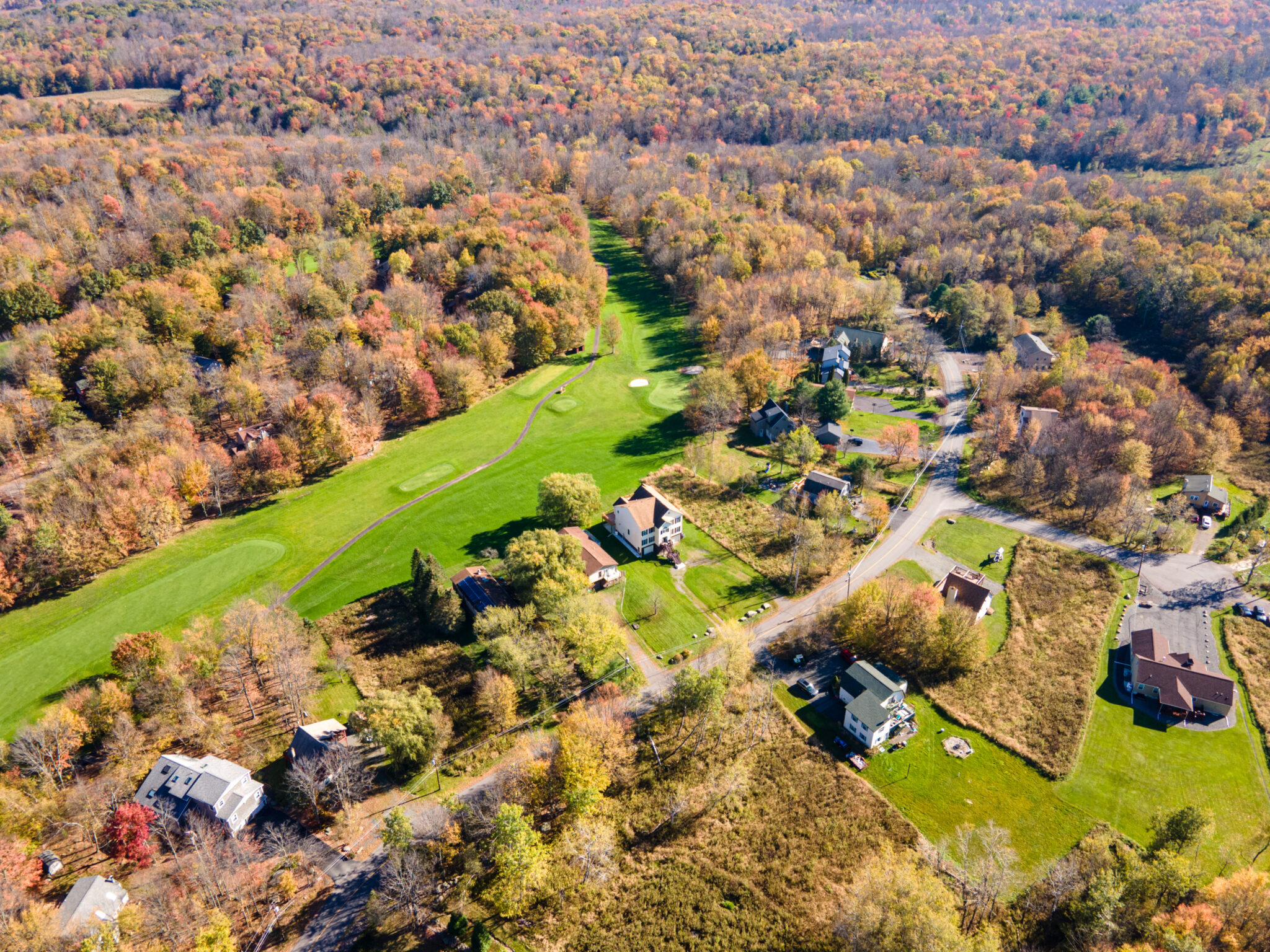
Posted in Market Updates